
Biodegradable paper cups offer a smart way to cut waste and shrink your carbon footprint. Knowing their materials, how they break down, and disposal tips helps you choose the best cups for your needs. These cups handle hot drinks well, come from trusted brands, and keep plastics out of the environment. Using them means supporting cleaner air, land, and water. With growing eco-friendly choices and better composting options, switching to biodegradable cups is both practical and responsible. Making the right choice now helps build a greener future.
Understanding Materials and Manufacturing of Biodegradable Paper Cups
Key Components of Biodegradable Paper Cups
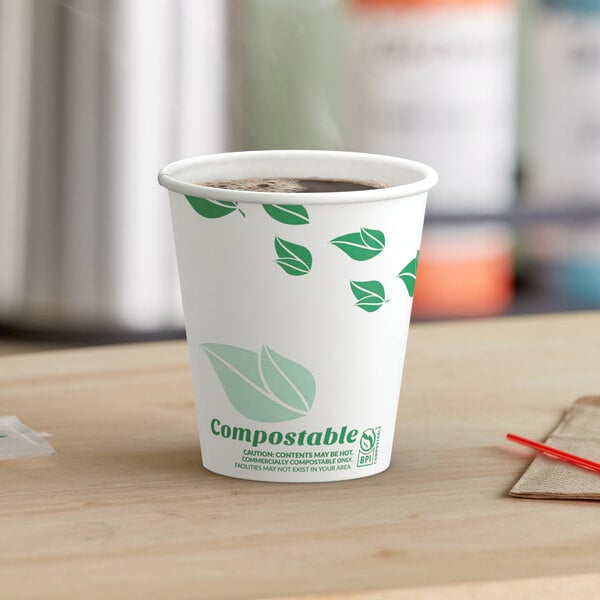
Biodegradable paper cups rely on renewable fibers like food-grade paper sourced from sustainably managed forests. These fibers form the base material, ensuring the cups are eco-friendly from the start. Instead of traditional polyethylene plastic lining, which resists recycling and biodegradation, these cups use biodegradable linings such as PLA (polylactic acid) derived from corn starch, PHA from canola oil, or aqueous-based compostable coatings. These linings dissolve safely during composting, allowing cups to break down within 3 to 6 months under industrial composting conditions. A significant safety feature is BPA-free construction which means no harmful chemicals leach into beverages or the environment, making biodegradable coffee cups safer than their plastic-lined counterparts. This plastic-free paper cup construction supports both health and sustainability by reducing toxins and microplastic waste.
Manufacturing Process and Variations
Manufacturers produce two main types of biodegradable cups to meet beverage needs. Hot beverage cups are thicker and insulated, lined with compostable coatings like PLA to withstand heat without leaking or deforming. Cold beverage cups have a thinner paper layer and suitable lining optimized for chilled drinks to prevent moisture buildup. Businesses can customize these cups by size and branding; many suppliers offer neutral white options with the possibility of custom printing for events or cafes. Beyond cups, manufacturers also provide lids and accessories made from compostable or recyclable materials to complete the drinkware set. You can learn more about different options by visiting the guide on Pappbecher. These products work together to ensure the entire packaging reduces environmental impact while meeting consumer convenience.
Certifications and Industry Standards
Certification is critical in verifying the compostability and safety of biodegradable cups. Standards like EN 13432 in Europe and ASTM D6400 in the United States set strict criteria for biodegradation rates, eco-toxicity, and absence of harmful materials. Cups bearing these certifications are guaranteed to decompose fully within commercial composting timeframes, typically within 180 days, leaving no toxic residue. Furthermore, marine biodegradability certification is increasingly important, as it confirms the product’s ability to break down harmlessly in aquatic environments, reducing damage if cups accidentally enter oceans or rivers. These certifications help businesses and consumers trust that their use of biodegradable packaging truly supports environmental sustainability.
| Certification Standard | Region | Key Requirements | Time to Decompose | Eigenschaften |
|---|---|---|---|---|
| EN 13432 | Europa | Biodegradation, eco-toxicity, no toxins | Within 180 days | Industrial composting compliance |
| ASTM D6400 | Vereinigte Staaten | Similar to EN 13432 | Within 180 days | Industrial composting compliance |
| Marine Biodegradability | Global | Safe aquatic breakdown | Variable, environmentally friendly | Reduces marine pollution |
Environmental Impact and Decomposition of Biodegradable Paper Cups
Biodegradation Timeline and Process
Biodegradable paper cups typically break down within 3 to 6 months when processed in industrial composting facilities. These facilities maintain temperatures above 58°C (136°F), ideal for accelerating decomposition of cup materials like PLA linings. In contrast, home composting environments lack sufficient heat and controlled conditions, extending breakdown time significantly. Cups with aqueous-based compostable coatings can decompose at home faster than PLA-lined ones but usually still take longer than industrial composting. Landfills often provide anaerobic, cool environments unsuitable for biodegradation, causing traditional cups with plastic linings to persist for decades. Proper disposal into industrial compost streams ensures food-grade paper and biodegradable linings fully degrade without toxic residues, aligning with certifications like EN 13432 that guarantee safe breakdown.
Environmental Benefits Compared to Traditional Cups
Switching to biodegradable cups cuts plastic pollution and microplastic formation drastically. Conventional paper cups lined with polyethylene contribute to long-term landfill waste and marine pollution. Biodegradable cups reduce carbon footprint by up to 40% when considering all lifecycle stages—from raw material sourcing such as renewable corn starch-derived PLA to composting disposal. They also offer marine biodegradability, meaning if cups end up in oceans, they decompose rather than harming aquatic life. This reduces risks of ingestion by marine animals and plastic contamination. Use of environment-friendly cups helps businesses and consumers meet sustainability goals while mitigating the environmental harm caused by single-use plastic drinkware. For insights into eco-friendly options, check out this page on double wall paper cups.
| Merkmal | Biologisch abbaubare Becher | Traditional Paper Cups |
|---|---|---|
| Decomposition Timeline | 3-6 months (industrial) | Years to decades (landfill) |
| Carbon Footprint Reduction | Up to 40% less | Higher due to plastic linings |
| Marine Biodegradability | Ja | Nein |
| BPA-Free | Ja | Often No |
| Plastic Lining | PLA, PHA, aqueous coatings | Polyethylene |
Challenges and Considerations
Widespread benefits of biodegradable cups rely heavily on availability of commercial composting facilities. Without access to these, cups may not degrade properly, diminishing their environmental advantages. Contamination in compost streams, such as presence of non-compostable plastics, can further slow or prevent intended biodegradation. Consumer awareness is crucial—proper disposal behaviors like sorting biodegradable cups separately from trash or recycling streams improve composting success. Educating users and investing in robust composting infrastructure are essential to fully realize the eco-friendly potential of biodegradable paper cups.
Choosing, Using, and Disposing of Biodegradable Paper Cups
How to Choose the Right Biodegradable Paper Cup
Choosing the right biodegradable paper cup starts with matching the cup to the beverage type. Hot drink cups are thicker and lined with heat-resistant materials like PLA or aqueous coatings that insulate and prevent leaks. Cold drink cups are thinner and designed to handle chilled beverages without condensation issues. Before buying PLA-lined cups, check if your local composting programs support industrial composting, as PLA needs high temperatures above 58°C (136°F) to break down properly. If no commercial facilities exist nearby, opt for cups with aqueous-based coatings that can decompose in home compost or curbside programs. Price is also a factor since biodegradable cups often cost up to 30% more than traditional plastic-lined cups. Balancing this cost with your sustainability goals is key. You can source these cups from specialized online retailers and wholesale suppliers who focus on eco-friendly products. Many offer varied sizes and neutral branding, plus compostable lids and accessories, making them suitable for events or business use.
Usage Guidelines and Safety
Biodegradable paper cups are safe for hot drinks like coffee and tea when they have proper lining, such as BPA-free PLA or aqueous coatings. These linings prevent leaks and maintain cup durability. Most biodegradable cups resist common beverage acidity and temperature well, ensuring no breakage or seepage. Additionally, some brands produce microwave-safe biodegradable cups, helpful for reheating. However, reuse is generally limited because single-use materials may weaken after washing. For events or cafes, biodegradability doesn’t compromise performance compared to plastic cups but adds environmental benefits.
Proper Disposal Methods
Proper disposal maximizes the eco benefits of biodegradable paper cups. Industrial composting facilities provide the best environment for cups to fully degrade within 3 to 6 months under controlled heat and oxygen levels. If your business lacks local composting service access, investing in on-site compost equipment can be a sustainable solution, enabling complete breakdown of cups and food waste. Avoid sending biodegradable cups to landfill, as low oxygen and moisture slow or prevent decomposition, negating environmental advantages. Recycling is usually not feasible because of varied linings, especially PLA. Educating consumers about separating biodegradable cups from regular waste and encouraging participation in composting programs can significantly improve composting rates and reduce contamination, ensuring these eco-friendly products perform as intended.
| Becher Typ | Material der Auskleidung | Recommended Disposal Method | Composting Temperature Requirement |
|---|---|---|---|
| Hot Beverage Cups | PLA, aqueous coatings | Industrial composting preferred | Above 58°C (136°F) for PLA |
| Cold Beverage Cups | Aqueous coatings, PLA | Industrial composting or home compost | Varies; aqueous coatings decompose faster at home |
| General Tips | BPA-free, biodegradable linings | Avoid landfill, no recycling | Support local compost programs |
Leading Brands, Innovations, and Market Trends in Biodegradable Paper Cups

Overview of Top Compostable and Biodegradable Cup Brands
Several leading brands stand out in the market for their commitment to eco-conscious cups and sustainable paper cups. Greenprint offers aqueous coated cups that are both home and commercially compostable, BPA-free, and marine biodegradable. These features make Greenprint a top choice for businesses seeking eco-friendly paper cups that break down safely even in aquatic environments. Phade produces PHA-coated paper cups uniquely suited for hot drinks, offering an alternative bioplastic lining derived from canola oil, which expands options for sustainable biodegradable drinkware. World Centric combines paper with PLA linings and has a broad product range, including both hot and cold cups, promoting social impact by donating profits to economic development causes. Go-Compost focuses on a full compostable product range extending to lids and accessories and supports customers by offering composting equipment, which is essential for proper disposal where local composting infrastructure is limited. Good Start Packaging has been in the market for 15 years, specializing in PLA-lined hot and cold cups and maintaining transparency in certifications such as EN 13432, assuring businesses of consistent compliance with compostability standards.
| Brand | Material der Auskleidung | Key Features | Zertifizierung | Special Focus |
|---|---|---|---|---|
| Greenprint | Wässrige Beschichtung | Home & commercial compostable, marine-safe | EN 13432, Marine Biodegradable | Marine biodegradability |
| Phade | PHA (canola oil) | Hot drinks specialized, alternative bioplastic | EN 13432 | Plant oil-derived bioplastics |
| World Centric | PLA | Hot & cold cups, social impact donations | ASTM D6400 | Profit sharing for social causes |
| Go-Compost | Full compostable range | Cups, lids, composting equipment | EN 13432 | Composting infrastructure support |
| Good Start Packaging | PLA | Established brand, transparent certifications | EN 13432 | Certified compostability |
Innovations in Materials and Sustainability
Innovations in biodegradable paper cups are advancing rapidly. One major development is aqueous coatings that allow safe home composting, reducing dependence on industrial composting facilities. These water-based coatings eliminate the need for PLA linings in some cases, broadening the usability of cups where commercial composting access is low. New bioplastics derived from plant oils, such as PHA from canola oil, are expanding eco options while maintaining performance for hot beverage compatibility. Additionally, marine biodegradable claims are gaining traction, marking a significant advancement to protect oceans from discarded drinkware pollution. Brands increasingly focus on BPA-free, plastic-free alternatives, ensuring that these cups meet rigorous environmental and health safety standards. These innovations support wider adoption by making biodegradable cup options more sustainable and accessible for various businesses.
Trends Shaping Adoption
Regulatory pressures on single-use plastics have surged globally, driving the demand for biodegradable and compostable cups higher. Many governments now require food service businesses to switch to environmentally friendly cups, positioning biodegradable cups as a critical solution. Consumer demand for eco-conscious cups also continues to rise, as buyers prefer businesses that show commitment to sustainability through sustainable paper cups and biodegradable drinkware. Another important trend is the expansion of local composting infrastructure, which improves the practical usability of these cups by enabling proper disposal and reducing landfill waste. In addition, many manufacturers incorporate social responsibility into their business models by sharing profits with environmental or social development causes, adding value for eco-conscious businesses that want to partner with transparent and ethical suppliers. This combination of regulatory, consumer, and corporate responsibility trends is fostering a growing market for the best biodegradable paper cups for businesses.
FAQs about biodegradable paper cups:
What are biodegradable paper cups made of?
Biodegradable paper cups are made of natural, renewable materials such as paperboard combined with biodegradable coatings like polylactic acid (PLA) or plant-based inks. These materials allow the cups to break down more easily in composting environments compared to traditional plastic-lined cups, reducing environmental impact.
How do biodegradable paper cups decompose?
Biodegradable paper cups decompose through the action of microorganisms that break down the organic components into carbon dioxide, water, and biomass under specific composting conditions. The process is faster than conventional plastics, especially in industrial composting facilities that provide the necessary heat and humidity.
Are biodegradable paper cups compostable?
Biodegradable paper cups can be compostable if they meet certain standards and are disposed of in appropriate composting facilities. However, not all biodegradable cups are certified compostable, so it’s important to check labels to ensure they break down effectively in composting environments.
Can biodegradable paper cups be recycled?
Biodegradable paper cups generally cannot be recycled in standard paper recycling streams due to their coatings. Instead, they are designed for composting or biodegradation. Recycling facilities typically do not process them because the coatings interfere with the recycling process.
What is the environmental benefit of using biodegradable paper cups?
The environmental benefit of using biodegradable paper cups lies in their ability to reduce plastic waste and lower landfill accumulation. Because they break down naturally, they minimize pollution and reliance on fossil fuels