
Paper cups are single-use containers designed to hold hot and cold drinks like coffee, tea, and juice. They offer a convenient alternative to reusable cups, ideal for offices, events, and take-out services. Commonly made from food-grade paper or kraft paper, these cups use coatings such as polyethylene (PE) or polylactic acid (PLA) to prevent leaks and maintain durability. PE-coated cups are recyclable but often require specialized recycling facilities, while PLA coatings allow cups to be compostable under industrial conditions. The distinction between recyclable, biodegradable, and compostable paper cups lies mainly in these linings and the materials used. Biodegradable and compostable cups break down more naturally compared to conventional paper cups lined with plastic. With rising demand for eco-friendly paper cups, the market now offers sustainable options without sacrificing hygiene or convenience. These cups support sustainable trends by providing single-use solutions that reduce plastic waste and promote responsible disposal. Designing paper cups to be both practical and environmentally conscious helps meet consumer needs for safety, hygiene, and sustainability.
Types and Features of Paper Cups
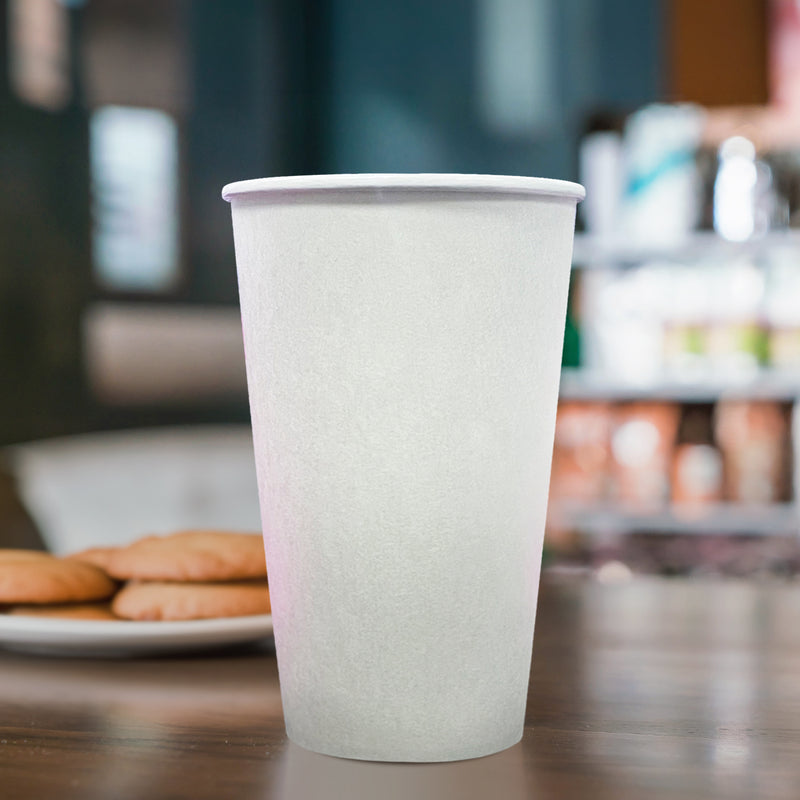
Paper Cups for Hot Beverages
Paper cups designed for hot drinks feature special insulation to keep beverages warm and hands comfortable. There are single-wall cups, which are simple and lightweight, but double-wall and ripple-wall (wave insulation) models provide better heat retention and protect hands from burning. Ripple wall cups often have a textured surface for a better grip. Sizes commonly range from 4 oz for espresso shots to 24 oz for large coffees or hot teas. These cups can safely hold drinks up to about 180°F without causing discomfort or leakage. They are ideal for coffee, tea, and hot cocoa, mostly used in cafes and offices. Many offer BPA-free coatings, promoting health and ensuring safety for consumers. For more insights on the advantages of eco-friendly options, you can explore the benefits of eco-friendly paper cups.
Paper Cups for Cold Beverages
Cold beverage cups need materials that resist condensation and maintain strength even when chilled. Smooth walls with special coatings such as polyethylene (PE) or polylactic acid (PLA) keep cold drinks fresh and prevent leaks. Sizes often mirror hot drink cups but tend to favor mid-sized cups like 12 oz and 16 oz to suit iced coffee, juices, and cold water. These cups ensure structural integrity when holding ice or chilled liquid and often come with flat or dome lids tailored for cold drinks. You can find a comprehensive paper cup guide for better understanding their types and uses.
Disposable Paper Cups: Practicality and Hygiene
Disposable cups provide unmatched convenience and hygiene, especially in offices, catering, events, or parties. Their single-use design stops cross-contamination and reduces clean-up time. Most disposable paper cups feature rolled rims for stacking and leak prevention. They come in bulk packaging, such as cartons holding 500 to 1000 cups, supporting large-scale events and commercial use. Bulk buying also decreases cost and waste from excess packaging.
Insulated and Specialty Paper Cups
Insulated paper cups typically include ripple wall or double-wall designs to enhance heat retention and hand comfort. Some models come with sleeves or lids to improve insulation and reduce spills. Many insulated cups are BPA-free and non-toxic, meeting safety standards. These specialty cups are a top choice for hospitality uses, offering usability and eco-conscious options while maintaining beverage temperature.
| Type of Paper Cup | Features | Typical Sizes (oz) | Use Case |
|---|---|---|---|
| Single-wall | Lightweight, simple | 4 – 24 | Espresso to large hot drinks |
| Ripple-wall (Insulated) | Textured grip, heat insulation | 8 – 16 | Hot coffee, tea |
| Double-wall (Insulated) | Better heat retention, prevents burns | 8 – 20 | Cafes, offices |
| Cold beverage cups | Smooth walls, PE or PLA lining | 12 – 16 | Iced coffee, juices |
| Disposable rolled rim cups | Easy stacking, leak prevention | Bulk sizes | Events, offices, catering |
| Specialty insulated cups | Sleeves, lids, BPA-free materials | Custom sizes | Hospitality, eco-friendly uses |
Eco-Friendly Paper Cups: Sustainability and Impact
Recyclability and Compostability Explained
Eco-friendly paper cups often differ by coating type: polyethylene (PE) or polylactic acid (PLA). PE-coated cups are water-resistant and durable, making them useful for hot drinks but challenging to recycle because many recycling plants lack the technology to separate plastic linings from paper. PLA-coated cups are compostable; they are made from plant-based materials and break down in industrial composting facilities. Certifications for compostable cups, such as ASTM D6400 or EN 13432, ensure the cups meet biodegradability and composting standards. However, home composting is typically insufficient to break down these materials, so proper disposal in industrial composters is vital. Recycling plastic-lined paper cups remains limited by local infrastructure, but new technologies aim to improve processing in the future.
Health and Safety Considerations
Non-toxic paper cups are increasingly popular, particularly those free from BPA and other harmful chemicals, offering safer options for consumers. High-quality eco-friendly disposable cups use food-grade paper and coatings that comply with health regulations, preventing chemical leaching into beverages. For example, BPA-free PE or PLA coatings help maintain safety for hot coffee or tea consumers. This attention to material safety supports broader efforts in sustainable packaging while protecting users from toxic exposure.
Environmental Benefits and Limitations
Compared to plastic cups, eco-friendly paper cups generate less landfill waste and reduce carbon footprints during production. Life cycle assessments indicate paper cups typically decompose faster when properly processed, especially when compostable. However, environmental impact depends on usage patterns, disposal methods, and recycling availability. Ordering paper cups in bulk minimizes transport emissions and packaging waste, while encouraging responsible disposal maximizes sustainability benefits. Even with these advantages, some challenges remain due to plastic linings and industrial composting requirements, highlighting the need for consumer awareness and improved waste management systems.
| Cup Coating Type | Recyclable? | Compostable? | Disposal Requirements | Common Challenges |
|---|---|---|---|---|
| Polyethylene (PE) | Yes, limited | No | Requires specialized recycling | Difficult to separate coating |
| Polylactic acid (PLA) | No | Yes (industrial) | Industrial composting | Not compostable at home |
| No coating | Yes | No | Standard paper recycling | Limited durability for liquids |
Customization, Design, and Bulk Ordering

Custom Printed Paper Cups
Custom printed paper cups offer a powerful way to promote brands or add personality to events. Popular printing techniques include flexographic printing, ideal for large runs with vivid colors and sharp logos, and digital printing, which is perfect for smaller runs and detailed artwork. Most paper cup manufacturers set minimum order quantities starting at 50,000 units, with typical lead times around 25 days to ensure quality and precision. Customers can choose from a wide range of colors such as white, black, blue, and gold, as well as patterns or custom logos. Special projects often include limited-edition vintage designs enhanced with bespoke decals, offering a unique touch for personalized stationery or event giveaways. These options allow businesses and event planners to share their unique story or message via paper cups, reinforcing brand identity or celebrating special occasions.
Paper Cups for Events and Catering
Paper cups are highly versatile for catering, parties, corporate events, and outdoor gatherings. Sizes typically range from 4 oz to 20 oz, covering beverages like coffee, tea, and cold drinks. Insulated options with ripple-wall designs keep hot drinks warm while preventing finger burns, making them perfect for outdoor events. Their stackable packaging eases storage and on-site dispensing, crucial for busy event setups. Disposable paper cups also come with rolled rims to prevent leaks, ensuring spill-free service during catering. This convenience and hygiene make them a popular choice across offices, hotels, and social gatherings.
Choosing Reliable Suppliers and Manufacturers
When selecting paper cup suppliers, consider certifications that guarantee product safety, eco-friendly materials, and fair pricing. Many suppliers provide complimentary samples, helping buyers evaluate cup quality and print accuracy before placing bulk orders. Evaluate suppliers based on their turnaround times, customization capabilities, and packaging options. Bulk purchasing can benefit from negotiating pricing based on order size, understanding packaging units (commonly 25 cups per bag, 20 bags per carton), and clarifying minimum order quantities. Reliable paper cup manufacturers focus on producing recyclable, compostable, or biodegradable options, aligning with growing environmental demands while maintaining durability and performance.
| Customization Aspect | Details | Typical MOQ & Lead Time |
|---|---|---|
| Printing Techniques | Flexographic, Digital | MOQ: 50,000 units |
| Color Options | White, Black, Blue, Gold | Lead time: ~25 days |
| Special Projects | Vintage designs, bespoke decals | Custom pricing available |
| Packaging Units | 25 cups per bag, 20 bags per carton | Cartons: 500 cups minimum |
Comparison and Buying Guide: What to Consider When Purchasing Paper Cups
Paper Cup Sizes and Capacity
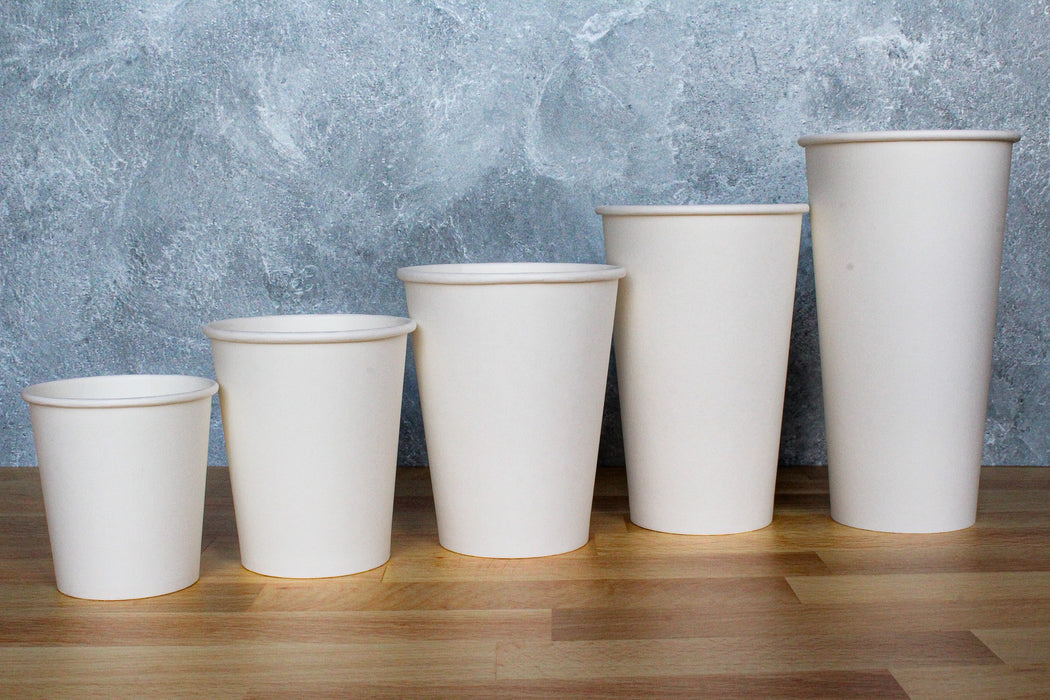
Paper cups commonly range in size from 4 oz to 24 oz, offering options that fit small espresso servings up to large iced drinks. Standard sizes include 4 oz, 8 oz, 12 oz, 16 oz, 20 oz, and 24 oz. For hot beverages like coffee or tea, 8 oz to 16 oz is typical, balancing portion and heat retention. Cold drinks often utilize larger sizes, such as 16 oz to 24 oz, to accommodate ice and beverage volume. Choosing the right size depends on the type of drink served and the setting—coffee shops may prefer a variety of sizes, while catering events often select standard mid-range sizes like 12 oz for versatility.
Cost Considerations
Disposable paper cups vary in price depending on size, material, and features. Basic paper cups with PE coatings are often the cheapest, suitable for businesses needing affordable bulk supplies. Eco-friendly options incorporating compostable PLA coatings or recycled materials command a slightly higher price, reflecting environmental benefits. Higher quality cups with insulated walls, custom printing, or special colors cost more but provide better heat retention and brand visibility. A cost-benefit analysis should balance purchase price with durability, insulation performance, and marketing value. For instance, insulated paper cups for coffee may justify extra cost by reducing the need for sleeves and improving customer experience.
Paper Cups vs Plastic Cups
Environmentally, paper cups outperform plastic cups in biodegradability and compostability, especially when using eco-friendly coatings. Paper cups are usually BPA-free, safer for health, while plastic cups pose concerns with chemical leaching and microplastic pollution. In insulation, paper cups with ripple walls or double walls retain heat better than most clear plastic cups, which often require separate sleeves. Paper cups also prevent leaks well when combined with rolled rims and matching lids. Plastic cups excel at cold drink clarity and rigidity but lag in sustainable disposal options. For catering and events emphasizing sustainability, disposable paper cups present a more practical and eco-conscious choice.
Additional Features and Accessories
Paper cups can be paired with matching lids—usually made of recyclable plastic or compostable PLA—and insulating sleeves for added hand comfort with hot drinks. Stirrers made from biodegradable materials complement the disposable set. Microwave safety varies; many paper cups tolerate heat up to 180°F but are not suitable for prolonged microwave use, as coatings may melt or degrade. Bulk handling is streamlined by stackable designs and packaging units like 25 cups per bag, with cartons typically holding 500 or more cups. Proper storage in cool, dry places prevents warping or contamination before use, essential for catering events or high-volume operations.
| Feature | Paper Cups | Plastic Cups |
|---|---|---|
| Biodegradability | High (with PLA coating) | Low |
| Compostability | Possible with PLA coating | Generally none |
| Insulation | Ripple-wall, double-wall options | Requires additional sleeves |
| Health Safety | BPA-free, food grade coatings | Potential chemical leaching |
| Recyclability | Limited, PE lined cups | Easier, depending on plastic type |
| Environmental Impact | Lower carbon footprint | Higher due to fossil fuel base |
| Cost | Moderate to High | Generally Low |
| Microwave Safe | Usually, short heating periods | Often Not Suitable |
Frequently Asked Questions
What are paper cups made of?
Paper cups are typically made from food-grade paper combined with coatings like polyethylene (PE) or polylactic acid (PLA). The paper provides structure while the coatings make the cup waterproof and durable. Kraft paper is also used for added strength. The paper weight averages around 320gsm with an 18PE coating to resist leaks. These materials ensure the cups are safe for both hot and cold beverages.
Are paper cups recyclable and biodegradable?
Many paper cups are recyclable, especially those with single-use paper and PE coatings that recycling centers can process. However, cups with plastic linings may present recycling challenges depending on local facilities. Biodegradable options often use PLA coatings instead of plastic, making them compostable in industrial composting environments. Despite this, full decomposition can take longer in typical landfill conditions.
Can paper cups safely hold hot beverages?
Yes, paper cups designed for hot drinks can hold liquids up to about 180°F without leaking or deforming. Insulated options with deep ripple walls or double-wall construction help maintain temperature and keep hands comfortable. These cups are BPA-free, ensuring safety and no harmful chemical leaching.
What sizes do paper cups come in, and how many come in a pack?
Common paper cup sizes range from 4 oz to 24 oz. Popular hot beverage sizes include 8 oz, 12 oz, 16 oz, and 20 oz. Packs can vary widely, with bulk cartons often including 500 to 1000 cups, and smaller packs of 25 or 50 available for office or event use.
Can paper cups be customized with logos or prints?
Yes, custom printed paper cups are offered by many manufacturers. Printing techniques like flexographic printing allow logos, color patterns, and artwork to be applied. Minimum order quantities often start around 50,000 units, with lead times near 25 days. Custom designs can help with branding, events, or special promotions.
Are paper cups suitable for both hot and cold drinks?
Paper cups come in versions specifically designed for hot or cold drinks. Hot drink cups feature insulation and heat-resistant coatings, while cold drink cups focus on condensation resistance and sturdiness. Some cups are versatile but checking the product specs helps ensure optimal performance.
Why are paper cups often lined with plastic?
The plastic lining, usually polyethylene, acts as a moisture barrier, preventing leaks and weakening of the paper. It allows the cup to hold liquids without soaking through. However, this lining complicates recycling and biodegradability. Alternatives like PLA linings offer better compostability but are costlier.
How do paper cups compare to plastic cups environmentally and financially?
Paper cups generally have a lower carbon footprint because they come from renewable resources and biodegrade faster. However, plastic cups are often cheaper to produce and recycle more easily in some areas. The choice depends on local recycling infrastructure and sustainability priorities.
Are paper cups microwave-safe?
Most plain paper cups without metal components can be microwaved safely for short periods. Insulated or double-walled cups may not heat evenly and can deform with extended microwaving. Always check manufacturer guidelines for microwave use.
Where can I buy paper cups in bulk with eco-friendly options?
Bulk paper cups with eco-friendly features such as recyclable or compostable coatings are available from specialized paper cup suppliers and manufacturers. They offer a range of sizes, custom printing, and sample options to evaluate quality before large orders. Packing typically involves stackable cartons of 500 to 1000 cups, ideal for catering, offices, and events.
We covered everything you need to know about paper cups—their types, uses, and eco-friendly options. You learned how hot and cold cups differ, what makes them safe and sustainable, and why customization matters for events. Paper cups offer convenience and hygiene while helping reduce plastic waste when chosen wisely. Keep in mind, not all paper cups are equal—look for eco-certified and BPA-free options. With the right knowledge, you can pick the best paper cups that fit your needs and support a greener future.