
Compostable paper cups offer a smart, eco-friendly way to enjoy drinks without guilt. They use plant-based materials and special linings that break down in the right composting setups. Knowing the differences between compostable, biodegradable, and traditional cups helps make better choices. Finding reliable brands and buying in bulk can save money and support green goals. Proper disposal and checking local composting rules ensure these cups truly help the planet. By choosing compostable cups, you take a simple step toward reducing waste and protecting the environment.
Understanding Compostable Paper Cups: Materials, Certifications, and Composting Processes

Materials Used in Compostable Paper Cups
Compostable paper cups are mainly crafted from sustainably sourced paperboard, which offers a renewable base that breaks down more easily than conventional materials. These cups typically have a lining made of PLA (polylactic acid), a bioplastic derived from corn starch. This plant-based lining replaces traditional plastic coatings, allowing the cups to be composted in industrial facilities. Some manufacturers also use alternative bio-coatings made from other plant-based substances to enhance water resistance while keeping the cup fully biodegradable. This combination ensures that compostable coffee cups and compostable hot beverage cups maintain durability without relying on fossil-fuel plastics, supporting sustainable disposable cups that are better for the environment.
Certifications and Standards to Look For
Not all cups labeled as compostable meet the same standards. Look for certifications like ASTM D6400 in the US or EN 13432 in Europe, which guarantee the products will break down under industrial composting conditions. The Biodegradable Products Institute (BPI) certification is also a reliable indicator, with logos that confirm the cup’s compliance with strict compostability rules. Authentic certifications matter because they prevent misleading claims and let consumers know their compostable cups wholesale or retail purchases genuinely contribute to eco-friendly waste management.
| Certification | Region | Composting Environment | Description |
|---|---|---|---|
| ASTM D6400 | United States | Industrial Composting | Specifies test methods and labeling for compostable plastics. |
| EN 13432 | Europe | Industrial Composting | European standard for packaging recoverable through composting. |
| BPI Certified | North America | Industrial Composting | Certifies products meet ASTM D6400 or EN 13432 standards. |
Composting Processes and Requirements
Industrial composting facilities provide the controlled environment necessary for breaking down compostable paper cups. These conditions include high temperatures—above 140°F (60°C)—and a timeframe of roughly 90 to 180 days. This environment allows the PLA lining to decompose fully without leaving harmful residues. Home composting, however, usually lacks the heat and control needed, so PLA-lined cups often do not break down effectively in backyard bins. Proper separation of compostable materials from conventional plastic or trash is critical to avoid contamination that can disrupt composting processes.
Common Composting Challenges
One major challenge is cross-contamination, where non-compostable waste mixes with the compostable cups, reducing the quality of the compost. Additionally, not all composting facilities accept PLA-lined paper cups, so verifying local acceptance policies is necessary before disposal. Residue inside cups can also cause slow decomposition and odor problems in composting operations; rinsing cups before composting helps prevent these issues and promotes smoother processing. Awareness and correct disposal behavior support the effective composting of eco-conscious beverage cups and maintain the integrity of composting systems.
Environmental Impact and Comparison with Other Disposable Cups

Environmental Benefits of Compostable Paper Cups
Compostable paper cups help cut down landfill waste and reduce plastic pollution. They are made from renewable, plant-based materials like sustainably sourced paperboard and a compostable PLA lining from corn starch. Unlike fossil-fuel-based plastics in traditional cups, these cups break down in industrial composting facilities within 90 to 180 days, supporting zero waste goals. By converting waste into nutrient-rich compost, they aid the circular economy. Choosing compostable cups also means less trash in oceans and landfills, reducing harm to wildlife and ecosystems.
Comparing Compostable, Biodegradable, and Conventional Cups
| Feature | Compostable Cups | Biodegradable Cups | Conventional Cups |
|---|---|---|---|
| Certification | ASTM D6400, EN 13432, BPI | Usually none or limited | None |
| Decomposition | Complete in industrial composting | Partial or unpredictable | Very slow, non-biodegradable |
| Lining Material | PLA (plant-based) | Varies, may contain plastics | Plastic (polyethylene) |
| Recycling Compatibility | Not recyclable but industrially compostable | Often not recyclable or compostable | Usually not recyclable |
| Environmental Impact | Supports circular economy | Limited benefit | High pollution and landfill waste |
Recycling Challenges of Paper Cups
Most recycling plants cannot process paper cups because separating their plastic lining is difficult and costly. While some special facilities exist to recycle cups by removing the lining, they are rare and often far from population centers. The leftover plastic is usually either landfilled or incinerated, negating recycling benefits. In many cases, both conventional and compostable paper cups land in the trash or landfill, which wastes materials and energy.
Practical Environmental Considerations
The true environmental benefit of compostable cups depends on proper composting infrastructure, which is not available everywhere. Without industrial composting access, cups may not decompose properly, causing pollution. Therefore, alongside opting for compostable cups, reducing single-use cup consumption and promoting reusable options remain crucial strategies to lessen environmental impact. Educating consumers and businesses about correct disposal is essential to maximize benefits from compostable cups.
Practical Buying Guide and Applications of Compostable Paper Cups
How to Choose the Right Compostable Paper Cups
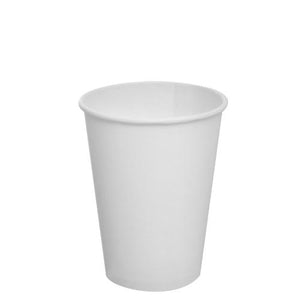
When selecting compostable paper cups, consider the cup size suitable for your beverages, especially if you serve hot drinks like coffee or tea. These cups often have a PLA lining—a plant-based bioplastic derived from corn starch—that ensures durability and heat resistance. It's vital to verify compostability certifications such as ASTM D6400 or EN 13432 to guarantee genuine compostable products. Suppliers should be transparent about their certifications and materials used. Beware of misleading eco-friendly claims; only cups with recognized certification logos like the Biodegradable Products Institute (BPI) mark reliably meet industrial composting standards. Proper labeling helps you avoid non-compostable cups, especially those with plastic or polyethylene linings, which contaminate compost or recycling streams.
Buying Options and Where to Source Compostable Paper Cups
For businesses or large events, purchasing compostable cups wholesale offers cost benefits and stock consistency. Wholesale suppliers cater to high volumes, helping cafés, food trucks, and event organizers streamline their eco-friendly needs. Some of the best compostable cup brands provide quality products with verified certifications and consistent performance. Retail eco-friendly cups are available online and at specialized stores, catering to individual consumers and small enterprises. Look for brands that focus on sustainability and offer transparent information about their manufacturing processes and materials. If you're interested in custom options, you can explore custom printed paper cups.
Cost Considerations and Budgeting for Sustainable Disposable Cups
| Aspect | Compostable Cups | Conventional Cups |
|---|---|---|
| Unit Cost | Higher due to materials and certification | Lower |
| Bulk Purchase Savings | Available | Available |
| Environmental Value | High – supports green branding | Low – plastic pollution |
| Suitability for Businesses | Good for eco-conscious branding | Good for low budget |
Use Cases and Applications
Compostable paper cups are ideal for cafes, coffee shops, and food trucks prioritizing sustainability. Events, festivals, and catering services adopt them to meet zero waste targets and appeal to eco-conscious attendees. Offices and retail environments are also switching to these disposable eco-friendly cups to align with corporate sustainability initiatives. Such cups suit hot and cold beverages, combining convenience and environmental responsibility. If you're looking for a comprehensive overview, the paper cup guide provides valuable insights.
Tips for Storage and Handling to Maintain Compostability
To keep compostable cups effective, store them in dry conditions away from direct sunlight and moisture. Avoid stacking too tightly to preserve cup shape and prevent damage to the PLA lining. Handle cups with clean hands or gloves to reduce residue buildup, which can affect composting efficiency. Proper storage extends shelf life and ensures cups meet quality standards when in use.
Proper Disposal and Composting Best Practices for Compostable Paper Cups
Correct Disposal Methods
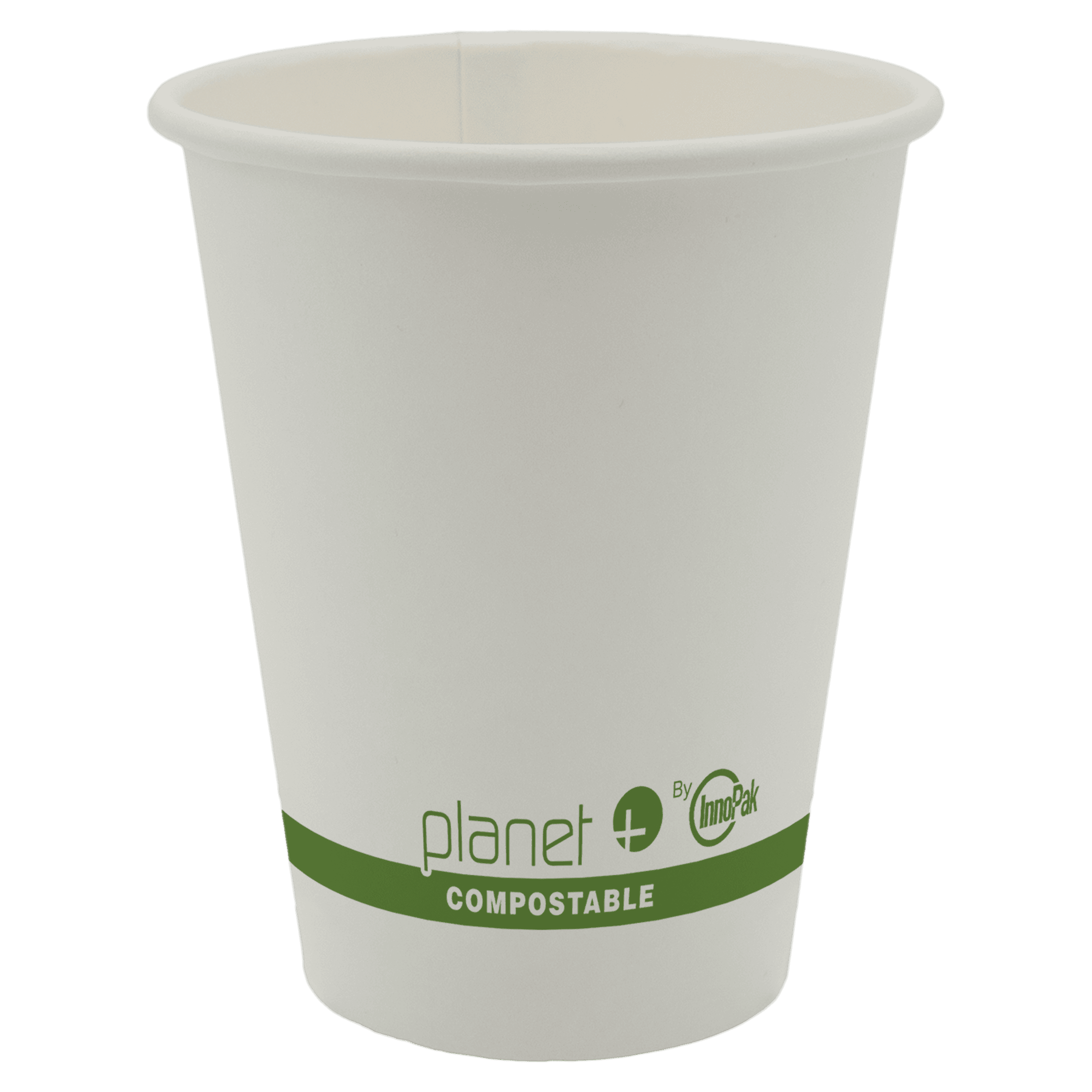
Proper disposal is key for compostable paper cups to fulfill their eco-friendly promise. These cups should be placed only in organic waste bins specifically marked for compostable materials. Using these bins helps ensure cups reach industrial composting facilities capable of handling their PLA (polylactic acid) lining, which requires temperatures above 140°F (60°C) for breakdown within 90 to 180 days. Avoid mixing compostable cups with conventional plastic or non-compostable waste, as contamination can prevent proper composting and damage compost quality. Misplacement in regular trash or recycling bins often sends cups to landfills where PLA linings do not decompose, negating environmental benefits.
Guidelines for Consumers and Businesses
Educating consumers and staff is essential. Clear signage and training can guide correct disposal, emphasizing the difference between compostable and conventional cups. Rinsing compostable cups before disposal helps remove beverage residue that can cause odor and slow composting. Although minimal rinsing is recommended to save water, reducing leftover liquids boosts efficiency at composting sites. Businesses serving eco-conscious beverage cups should promote this simple step to maximize composting success and reduce facility issues related to contamination.
Verifying Local Composting Facility Acceptance
Because industrial composting capability varies, always verify whether local facilities accept PLA-lined paper cups. Many municipal or commercial composters exclude these cups due to processing constraints. Facility websites or customer service can confirm acceptance policies. If unavailable locally, explore alternatives such as take-back programs coordinated with cup manufacturers or certified composting services offering drop-off locations. These options help avoid landfill disposal while supporting zero waste paper cups’ environmental goals.
Troubleshooting Common Issues
| Issue | Cause | Solution |
|---|---|---|
| Cross-contamination | Mixing non-compostable waste | Train users, clear bin labeling |
| PLA lining not decomposing | Lack of industrial composting conditions | Verify local facility acceptance |
| Odor or slow degradation | Beverage residue inside cups | Rinse cups before disposal |
| Disposal in landfill | Misplaced waste | Educate on correct bin use |
Encouraging Broader Participation in Composting Programs
Community engagement plays a vital role in expanding composting adoption. Effective strategies include visible signage on waste bins, informative campaigns highlighting the benefits of zero waste paper cups, and partnerships with certified composting services to improve infrastructure reach. Collaborative programs between local governments, businesses, and waste managers enhance proper disposal rates and build sustainable habits among consumers. These efforts collectively strengthen the impact of compostable cups in reducing plastic pollution and advancing sustainability goals.
FAQs about compostable paper cups:
What are compostable paper cups?
Compostable paper cups are cups made from materials designed to break down in composting environments, turning into organic matter without leaving harmful residues. These cups typically combine paper with bioplastics that decompose under industrial composting conditions, supporting waste reduction and environmental sustainability compared to conventional plastic-lined cups.
How do compostable paper cups work?
Compostable paper cups work by using biodegradable components that microorganisms can digest in compost facilities. When placed in correct composting conditions—adequate heat, moisture, and oxygen—these cups break down into compost within months, avoiding landfill buildup and contributing to nutrient-rich soil.
Are compostable paper cups better than traditional disposable cups?
Compostable paper cups are better than traditional disposable cups because they reduce plastic waste and have less environmental impact. Unlike plastic-lined cups that can persist in landfills for centuries, compostable cups decompose relatively quickly and support circular waste management practices, though proper disposal in composting systems is essential.
Can compostable paper cups be recycled?
Compostable paper cups generally cannot be recycled with regular paper due to their bioplastic lining, which contaminates paper recycling streams. Instead, they should be disposed of in composting facilities authorized to handle compostable materials, ensuring they break down effectively without harming recycling processes.
Are compostable paper cups safe for hot beverages?
Compostable paper cups are safe for hot beverages, as they are designed to withstand