
Choosing the right eco-friendly paper cup brand can make a big impact. This guide covered top brands, key materials like PLA and bagasse, and why certifications matter. It showed how these cups help cut waste and protect the planet. Plus, there are smart buying tips to fit any business or event budget. With new trends pushing better designs and plastic-free options, switching to green cups is easier than ever. Choosing sustainable cups is more than a trend—it’s a smart step to help the environment and meet growing consumer demand.
Leading Eco-Friendly Paper Cup Brands and Their Unique Features
Overview of Top Brands
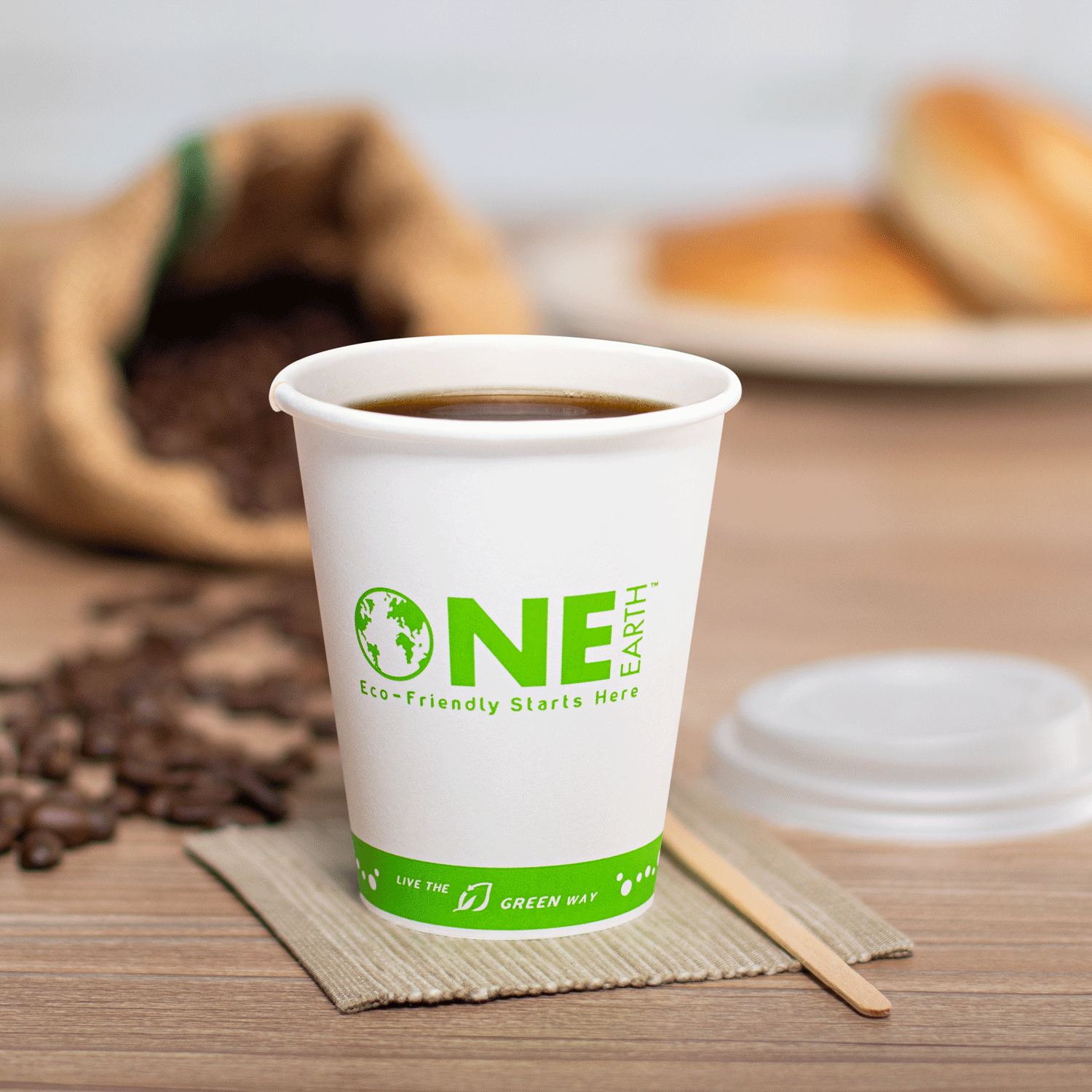
Eco-friendly paper cup brands lead the way in combining sustainability with practical use. Eco-Products offers cups made from 100% post-consumer recycled paper plus PLA lining, ensuring full compostability and backing zero waste and equity programs. BioPak uses renewable plant-based materials and holds the ASTM D6400 certification, with options for vibrant custom printing and fast delivery, catering well to business needs. Green Paper Products stands out by using compostable linings from renewable sources; their cups are freezer and refrigerator safe, all while remaining competitively priced. World Centric’s cups consist of 98% renewable materials, topped with premium compostable bioplastic lining, and the company actively partners on environmental projects.
Huhtamaki’s BioCup line features sustainably sourced paperboard with PLA lining and FSC certification, boasting decades of industry experience. Dakota Biodegradable focuses exclusively on full compostability, with BPI-certified cups designed for industrial composting. Vegware takes pride in 100% plant-based materials that compost fully within 12 weeks, offering insulated cups for both hot and cold drinks. Fabri-Kal Greenware cups use FDA-approved, plant-based materials that ensure sturdiness and food safety. BioGreenChoice prioritizes FSC-certified paper and comprehensive forestry responsibility, while Stalkmarket cups are lined with cornstarch and made from sustainably sourced paper, suitable for industrial composting. Each of these brands aligns with growing demand for compostable and biodegradable paper cup solutions that support eco-conscious businesses and events. For more insights, you can check out sustainable paper cup materials 여기.
Certification and Sustainability Commitments
Certifications validate the eco-friendliness of paper cups, making them essential for buyers. Brands rely on marks like BPI, FSC, ASTM D6400, EN 13432, ISO 9001 and 14001, and FDA approval to assure users of quality and sustainability. These certifications guarantee that materials like PLA (a corn-based bioplastic) replace harmful petroleum plastics and that paper comes from responsibly managed forests. Most manufacturers actively pursue renewable sourcing and engage in environmental and social programs, increasing transparency and trust. By using post-consumer recycled paper combined with plant-based biodegradable plastics, these suppliers ensure cups biodegrade efficiently in industrial composting facilities, minimizing landfill waste and ocean pollution. These strong sustainability commitments highlight an industry shift toward responsible disposable cup manufacturing, giving consumers and businesses clear choices aligned with environmental goals.
| 인증 | 설명 | Commonly Associated Materials | 혜택 |
|---|---|---|---|
| BPI | Biodegradable Products Institute certification for compostability | PLA, compostable bioplastics | Verified compostability in industrial facilities |
| FSC | Forest Stewardship Council certification for responsible forestry | Paperboard | Ensures sustainable forest management |
| ASTM D6400 | Standard Specification for Compostable Plastics | PLA and compostable plastics | Defines compostability requirements |
| EN 13432 | European standard for compostable packaging | Bioplastics, plant-based liners | Ensures packaging breaks down in compost |
| ISO 9001 & 14001 | Quality and environmental management standards | Various | Improves production quality and environmental responsibility |
| FDA Approval | Safety certification for food contact materials | Plant-based and paper materials | Ensures product safety for food use |
Materials and Environmental Benefits of Eco-Friendly Paper Cups

Key Materials Used in Eco-Friendly Paper Cups
Eco-friendly paper cups rely on renewable and biodegradable materials that reduce environmental harm. PLA (Polylactic Acid) is a popular choice, made from cornstarch, and it is both biodegradable and compostable under industrial conditions. This corn-based bioplastic replaces traditional plastic linings, ensuring the cup is leak-proof and suitable for hot beverages. Another material is bagasse, which is the fibrous waste from sugarcane. Bagasse cups offer a tree-free alternative, use less energy to produce, and are sturdy for both hot and cold drinks. FSC-certified paper, sourced from responsibly managed forests, helps reduce deforestation and ensures sustainability.
To further reduce plastic waste, some cups are coated with natural fiber or water-based barrier coatings replacing polyethylene. This makes them fully recyclable and reduces microplastic pollution. Bamboo fiber is another emerging material; it grows rapidly, gives off more oxygen than trees, and when combined with PLA lining, creates strong, compostable cups. These sustainable materials provide eco-friendly paper cup options that appeal to businesses looking for green packaging solutions. For a detailed look at the manufacturing process, check 여기.
| Material | Source | Properties | Environmental Benefits | Typical Uses |
|---|---|---|---|---|
| PLA | Cornstarch | Biodegradable, compostable | Replaces petroleum plastics | Cup linings |
| Bagasse | Sugarcane waste | Tree-free, sturdy, energy efficient | Reduces deforestation and energy use | Entire cups, plates |
| FSC Paper | Responsibly managed forests | Sustainable paper source | Forest conservation | Cup exterior |
| Bamboo Fiber | Bamboo | Fast-growing, strong | Carbon sequestration, biodegradable | Cups with PLA lining |
| Water-based coatings | Natural fibers or water-based compounds | Recyclable, microplastic-free | Reduces plastic waste | Cup coatings |
Environmental Advantages
Using eco-friendly paper cups significantly cuts down on landfill waste, ocean pollution, and deforestation. These cups decompose faster in industrial composting facilities, returning valuable nutrients to the soil. PLA lining ensures rapid biodegradation without releasing toxic residues. Production of these cups often involves renewable energy and local sourcing, which lowers their carbon footprint compared to conventional plastic cups.
Eliminating traditional plastic linings also reduces the release of microplastics into the environment. Cups made with water-based coatings are fully recyclable, further minimizing waste. When comparing biodegradable and recyclable cups, compostable cups are best disposed of in commercial compost facilities, while recyclable options should go to paper recycling streams. Both types contribute to zero-waste goals but need proper disposal to maximize environmental benefits. Overall, eco-friendly paper cup materials offer a practical and green alternative for sustainable food and beverage packaging.
Buying Guide: Choosing and Using Eco-Friendly Paper Cups for Businesses and Events
Factors to Consider When Selecting Eco-Friendly Paper Cups
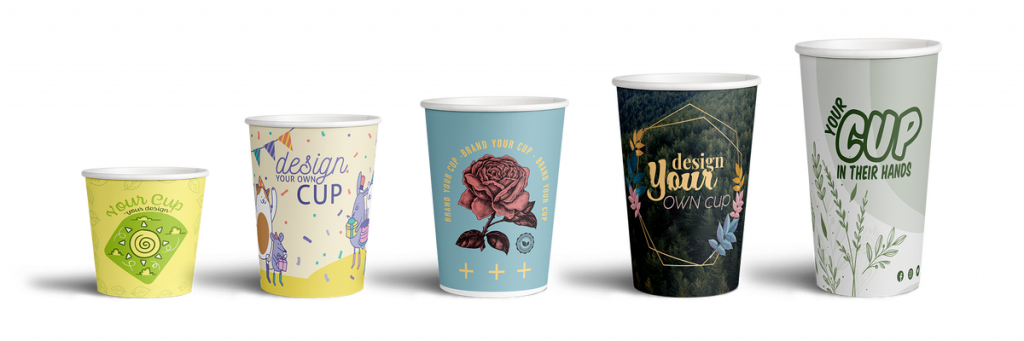
When choosing eco-friendly paper cups, start by verifying certifications such as BPI, FSC, ASTM D6400, and FDA. These labels confirm that cups meet compostability and sustainability standards. For example, Eco-Products and Dakota Biodegradable feature BPI certification, assuring their cups break down in industrial composting facilities. Consider the cup materials: plant-based PLA lining is common for leak-proof, compostable cups suitable for hot or cold beverages. Bagasse cups are tree-free and sturdy but best paired with sleeves due to lesser insulation. Sizes vary widely from 4 oz to 20 oz, allowing matching to beverage types whether espresso shots or large iced drinks. Insulation options like double-wall or ripple-wall cups improve heat retention and hand protection without extra sleeves. Price matters; brands such as Green Paper Products offer bulk eco-friendly cups starting as low as $0.13 per piece. Look also for custom eco-friendly cups with printing via soy or water-based inks to boost brand visibility while staying green. Finally, check minimum order quantities: some manufacturers support small businesses through flexible low-quantity orders, while others cater to large wholesale demands. Ensuring these factors help select cups best suited for cafes, retail, or event use while supporting sustainability goals.
| 기능 | Details / Options |
|---|---|
| 인증 | BPI, FSC, ASTM D6400, FDA |
| Materials | PLA lining, bagasse, bamboo fiber |
| 크기 | 4 oz to 20 oz |
| 절연 | Single-wall, double-wall, ripple-wall |
| Price Range | From $0.13 per cup |
| Printing | Soy-based or water-based inks |
| 최소 주문 수량 | Flexible for small or large orders |
Tips for Sustainable Use and Disposal
To maximize environmental benefits, encourage use of commercial composting facilities since most compostable cups require industrial conditions for breakdown. Where cups lack insulation, add sleeves to protect hands from heat instead of paper waste. Choose suppliers with transparent supply chains and strong environmental policies to ensure cups truly align with sustainability claims. For cups lined with water-based or recyclable coatings, follow proper recycling protocols to reduce landfill impact. Educate customers through signage or staff training on correct disposal—separating compostable cups from regular trash helps divert waste to appropriate processing. Using these guidance points, businesses can not only reduce their footprint but also engage customers in eco-friendly habits while offering affordable eco paper cups in bulk to support operational efficiency and environmental care.
Emerging Trends and Innovations in Eco-Friendly Paper Cups
Advances in Materials and Manufacturing
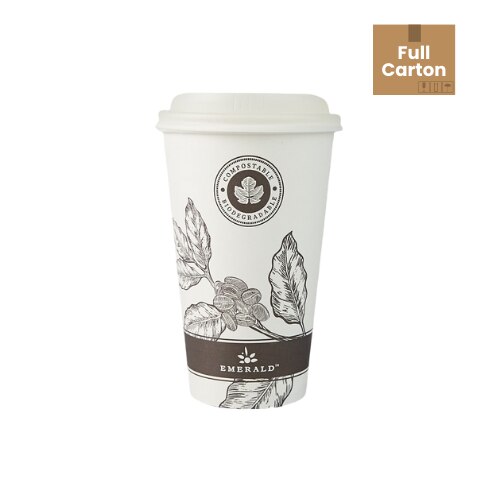
Eco-friendly paper cups are evolving rapidly with new materials and processes. Many brands now use 100% plant-based, plastic-free materials that break down in compost within weeks. This shift reduces landfill waste and plastic pollution significantly. Leading manufacturers, such as Vegware and Stalkmarket, offer cups made entirely from renewable resources with cornstarch or PLA linings that ensure leak-proof, compostable products suitable for hot beverages. Recent advancements include water-based barrier coatings replacing traditional plastic linings. These coatings make cups fully recyclable without plastic contamination, improving circularity. Double-wall and ripple-wall designs have also gained popularity, thanks to their ability to keep drinks warmer longer while allowing users to hold cups comfortably without added sleeves. This innovation not only reduces paper and plastic waste from sleeves but also improves user experience. Sustainable printing technologies are now standard; soy-based and water-based inks provide vibrant, durable branding that meets eco-conscious standards without harmful chemicals. Together, these materials and manufacturing advancements show how disposable green cups can be both high-quality and environmentally safe.
Market and Consumer Trends
Consumer demand for zero-waste and plastic-free disposable cups has surged in recent years. Businesses and individuals increasingly seek green packaging paper cups aligned with circular economy principles. Manufacturers respond by offering flexible ordering options, including small-batch customized eco-friendly cups perfect for niche markets like wedding planners and boutique cafés. This trend supports local and sustainable initiatives with less waste from overproduction. In addition, many manufacturers actively participate in environmental and social equity programs, enhancing their sustainability credibility and appealing to eco-conscious consumers. Emerging innovations such as rapid prototyping and on-demand manufacturing reduce inventory waste, enabling fast adaptation to market needs while minimizing excess production. With these moves, eco-friendly cups are becoming integral to a sustainable lifestyle and corporate responsibility, making disposable green cups a practical choice for businesses aiming to reduce environmental impact without compromising quality.
| Trend / Innovation | 설명 | Impact on Market & Environment |
|---|---|---|
| 100% plant-based materials | Fully compostable products breaking down quickly | Reduces landfill and microplastic pollution |
| Water-based barrier coatings | Plastic-free, recyclable cup coatings | Enhances circular economy, reduces plastic waste |
| Double-wall & ripple-wall designs | Improved insulation without extra sleeves | Reduces paper/plastic waste, better user comfort |
| Sustainable printing | Soy- and water-based inks | Eco-friendly branding, avoids toxic chemicals |
| Flexible ordering | Small-batch and custom orders | Reduces overproduction and inventory waste |
| Rapid prototyping & on-demand manufacturing | Faster market adaptation | Minimizes excess production and waste |
FAQs about eco-friendly paper cup brands:
What are the best eco-friendly paper cup brands available today?
The best eco-friendly paper cup brands today focus on sustainability by using biodegradable or compostable materials such as PLA lining or recycled paper. Brands like Eco-Products, Verterra, and Biopak are popular for their commitment to reducing environmental impact. These brands also often use renewable resources and avoid harmful plastics, making them suitable choices for businesses and consumers aiming to minimize waste.
How do eco-friendly paper cups help the environment?
Eco-friendly paper cups help the environment by reducing reliance on traditional plastic-lined cups, which are difficult to recycle. They use materials that break down more easily in composting facilities or degrade naturally, minimizing landfill waste. Additionally, sourcing from sustainable forests and utilizing renewable or recycled materials lowers carbon footprint and conserves natural resources, contributing positively to environmental protection.
Are eco-friendly paper cups more expensive than regular paper cups?
Eco-friendly paper cups are generally more expensive than regular paper cups due to the use of specialized materials and environmentally responsible manufacturing processes. However, prices are becoming more competitive as demand increases and production scales up. The higher cost often reflects the investment in sustainability, including biodegradable linings and certifications for compostability or recyclability.
Can eco-friendly paper cups be recycled or composted?
Eco-friendly paper cups can often be composted or recycled depending on their material composition and local waste management capabilities. Cups with PLA lining or made entirely from biodegradable materials are