
Paper cup dispensers come in many styles to fit any space or need. From manual to automatic, wall-mounted to portable, each design offers different benefits. Hygiene and ease of use are key, especially for hot and cold drinks. Choosing the right dispenser means balancing cost, size, and durability. Proper installation and regular maintenance keep dispensers working well and clean. Whether for an office, party, or restaurant, the right dispenser adds convenience and order. Understanding these factors helps make the best choice with confidence.
Types and Designs of Paper Cup Dispensers

Manual vs. Automatic Dispensers
Paper cup dispensers come in two main types: manual gravity-fed and automatic sensor-activated models. Manual dispensers rely on gravity to drop one cup at a time when pulled or pressed. This simple mechanism means fewer moving parts, reduced cost, and ease of maintenance, making them ideal for offices and low-traffic areas. However, manual dispensers require users to touch the cup or dispenser, which could raise sanitation concerns in environments like medical offices.
Automatic paper cup dispensers use sensors that detect a hand or cup, releasing a paper cup without physical contact. These are highly sanitary and reduce contamination risks, a must in hospitals or busy cafeterias. The downside is that automatic dispensers are usually higher in price and need power or batteries. Also, they may require periodic sensor calibration. In fast-paced environments where hygiene matters, automatic dispensers add convenience and safety, while manual dispensers suit smaller or budget-conscious settings.
Mounting Options and Space Saving Designs
Wall-mounted paper cup dispensers are popular for saving counter space. They can be installed using screws for a permanent, sturdy hold or self-adhesive backings for easy placement without drilling. Ideal locations include near water coolers, coffee machines, or bathrooms. Proper installation height ranges from waist to chest level, improving ergonomic access in workplaces and public spaces. This placement allows users of various heights to easily get a cup without strain.
Countertop dispensers offer flexible placement where wall mounting is impossible or not preferred. Portable models are perfect for events or temporary setups, providing convenience without installation. Some countertop dispensers have a slim design to fit into tight spaces, and their refillable structure simplifies maintenance. You can explore various options with our guide on 생분해성 종이컵 to understand the available choices better.
| Mounting Type | Installation Method | 혜택 | Ideal Locations |
|---|---|---|---|
| Wall-mounted | Screws or Self-adhesive | Saves counter space, ergonomic | Near water coolers, coffee areas |
| Countertop | Freestanding | Portable, flexible placement | Events, temporary setups |
Size and Capacity Variations
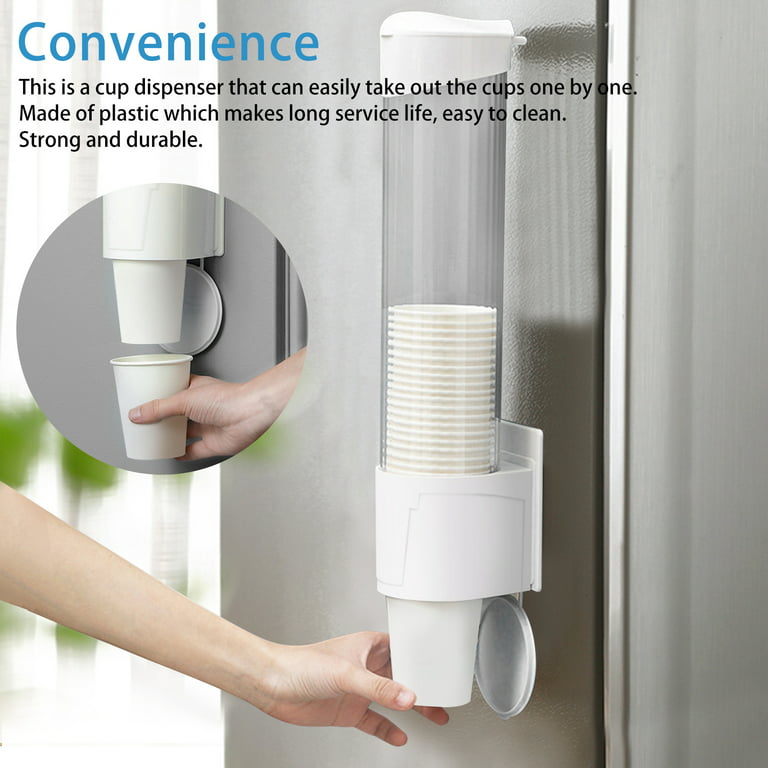
Paper cup dispensers come in multiple size compatibilities, generally accommodating cups from 3 oz up to 16 oz. Multi-size paper cup dispensers can be adjusted or made modular to handle various cups, useful for venues serving different beverages like espresso shots or large cold drinks.
Capacity varies widely. Small dispensers hold around 50 cups, suitable for low-traffic offices or bathrooms. Larger dispensers, especially bulk paper cup dispensers, can hold up to 200 or more cups, ideal for busy restaurants, cafes, or parties. Large paper cup dispensers reduce refill frequency and improve service speed at events, where demand is high and efficiency is critical. You might also consider looking into 맞춤형 인쇄 종이컵 for branding opportunities.
| Dispenser Size | Cup Size Compatibility | Capacity (Number of Cups) | Suitable For |
|---|---|---|---|
| Small | 3 to 5 oz | ~50 | Low-traffic offices, bathrooms |
| Medium | 5 to 12 oz | 50 – 150 | Cafes, small restaurants |
| Large | 12 to 16 oz | 150 – 200+ | Busy restaurants, events |
Material Choices and Aesthetic Designs
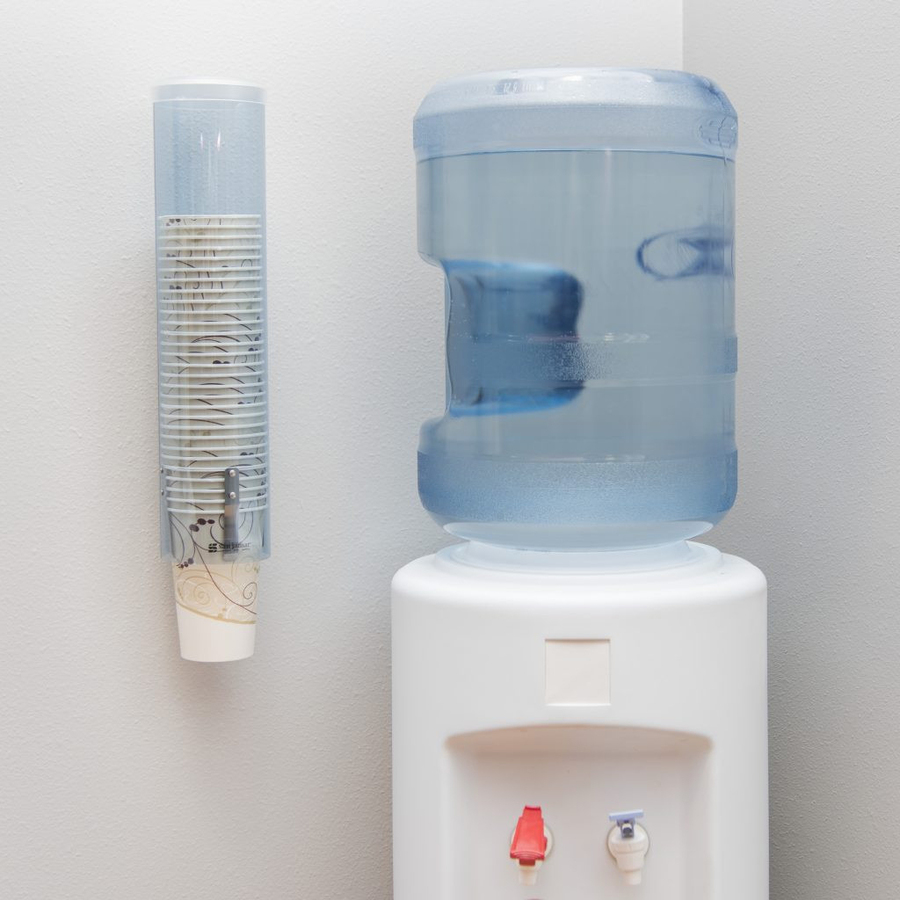
Dispenser materials affect durability, appearance, and environmental impact. Stainless steel dispensers offer high durability for commercial or medical use, resisting corrosion and heavy wear. Clear acrylic dispensers, like the elegant Tiffany acrylic paper cup dispenser made from SMMA plastic, provide full visibility of remaining cups and complement décor with a sleek, transparent design. The Tiffany model measures 4.7”L x 4.1”W x 7.2”H and is dishwasher safe, suitable for offices or bathrooms seeking style with functionality.
Eco-friendly paper cup dispensers use recycled plastics, tin cans, or paper mache, supporting sustainability efforts. Some feature hand-painted or upcycled designs with floral or abstract patterns, enhancing aesthetic appeal while promoting environmental responsibility. Transparency in these designs lets staff or users monitor inventory quickly, making refills timely and preventing shortages. This blend of materials and artistic efforts shows how dispensers can match both functional needs and interior styles.
Hygiene, Sanitation, and Sustainability Considerations
Maintaining Sanitation with Paper Cup Dispensers
Sanitary paper cup dispensers greatly reduce contamination by limiting hand contact with the cups. Unlike loose cups where multiple hands touch the stack, dispensers allow users to grab one cup at a time directly, minimizing the risk of transferring germs. Many dispensers feature smooth surfaces and simple shapes that make cleaning easy, helping to prevent bacterial buildup. This is especially important in medical environments, where paper cup dispensers are vital tools to prevent cross-infection. Disposable cups combined with these dispensers offer a hygienic way to serve beverages without sharing reusable cups, aligning with strict health standards. Wall-mounted dispensers also help by keeping cups off counters and floors, further reducing contamination risk.
Cup Compatibility for Hot and Cold Beverages
Paper cup dispensers must work effectively with cups designed for both hot and cold liquids. Selecting cups made from materials that maintain hygiene is crucial—heat-resistant paper cups or those lined with safe coatings work well for hot beverages, while cold cups can be thinner but still maintain sanitary standards. Many dispensers fit standard cup sizes like 3 oz, 5 oz, or up to 16 oz, ensuring smooth dispensing without damage to the cups. This compatibility ensures hygienic use whether serving coffee, tea, or chilled drinks, preventing spillage and maintaining cup integrity.
Eco-Friendly and Sustainable Dispenser Options
Eco-friendly paper cup dispensers are often made from recycled or upcycled materials such as tin cans, plastic bottles, and paper mache. These materials help reduce waste while adding unique, artistic designs that fit in kitchens and bathrooms without sacrificing style. Disposable paper cups crafted from sustainable fibers support environmental goals, offering a greener alternative to plastic cups. Compared to reusable cups, disposable paper cups used in sanitary dispensers can reduce the spread of germs and require less water and energy for cleaning. Recycled plastic Dixie cup holders and DIY dispensers made from slim soda bottles provide affordable, creative, and sustainable solutions suitable for various settings.
| 기능 | 재사용 가능한 컵 | Disposable Paper Cups (with Dispenser) |
|---|---|---|
| Germ Spread Risk | 더 높음 | Lower |
| Water and Energy Usage | Higher (cleaning required) | Lower |
| 환경 영향 | Depends on reuse practices | Can be eco-friendly if sustainable fibers used |
| Convenience | Requires cleaning | Ready to use, single-use |
Choosing the Right Paper Cup Dispenser: Features, Costs, and Use Cases
Key Features to Consider When Buying
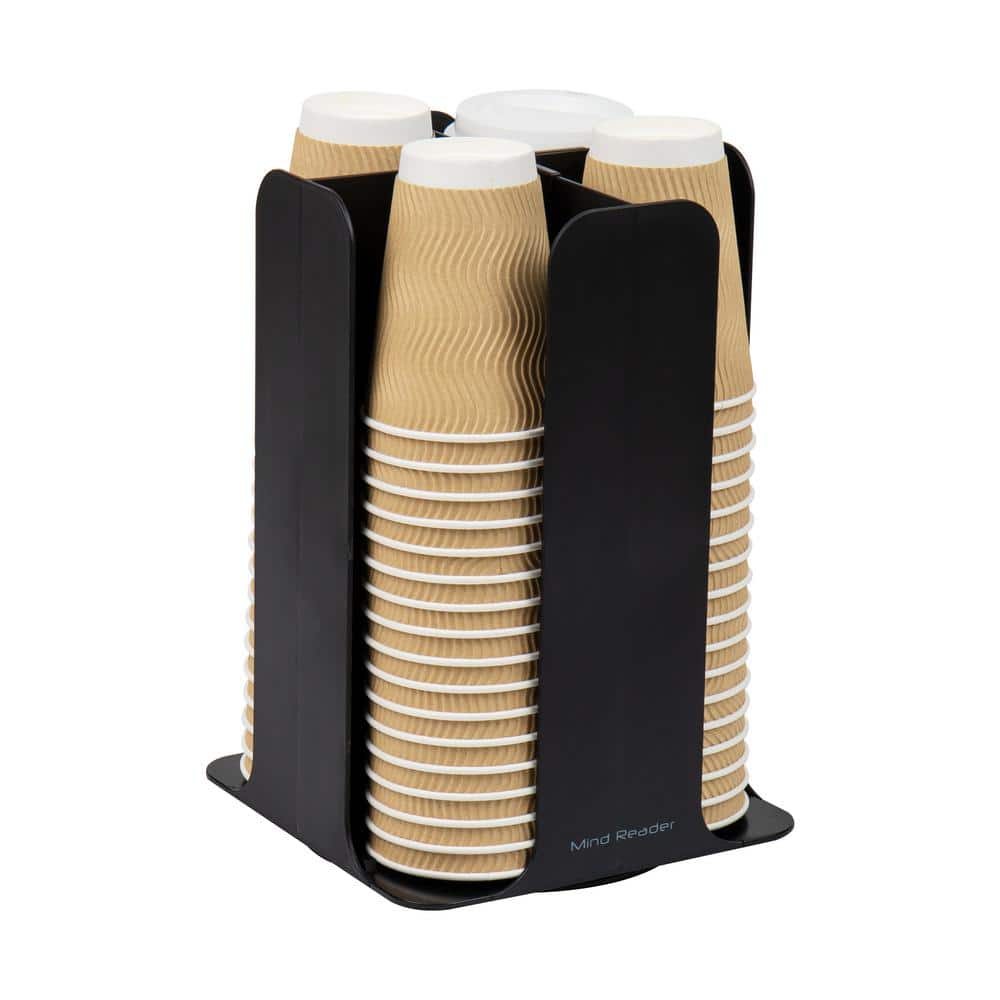
When picking a paper cup dispenser, durability matters most, especially in busy spots like offices and restaurants. Dispensers made from tough plastics or stainless steel last longer under heavy use. Easy refills save time too; front-loading dispensers let you add cups quickly without taking apart the unit. Size is key — small offices might only need dispensers holding 50 cups, while commercial venues require bulk dispensers for hundreds of cups. Compatibility with common cup sizes (3 oz, 5 oz, up to 16 oz) ensures your dispenser works smoothly without jams. Some multi-size dispensers adjust to different cup diameters, adding versatility for varied needs.
Pricing and Cost-effectiveness
Paper cup dispensers cover a wide price range. Budget models start around $15-$30, mid-tier units go for $50-$100, while premium ones with durable materials and sleek designs like acrylic or stainless steel cost $100 or more. Investing in a strong dispenser pays off by reducing cup waste and cutting down on frequent replacements or service calls. Consider that the total cost includes disposable cups too; a dispenser system that minimizes cup jams and waste can bring long-term savings. Also, choosing eco-friendly cup dispensers made with recycled materials can align with sustainability goals while being cost-effective over time.
| Price Range | Material Type | 특징 | 최상의 대상 |
|---|---|---|---|
| $15-$30 | Basic plastics | Manual operation, low capacity | Small homes, offices |
| $50-$100 | Durable plastics | Front-loading, adjustable size | Medium offices, cafes |
| $100+ | Stainless steel/Acrylic | Automatic sensor, high capacity | Hospitals, busy restaurants |
Application-specific Recommendations
For offices, look for dispensers designed for mid-range capacity with ergonomic designs for easy cup access. Commercial paper cup dispensers made with stainless steel or heavy-duty plastics serve restaurants, cafes, and medical facilities well since they hold large quantities and often come with wall-mount options to save counter space. When hosting parties or events, choose portable paper cup dispensers with large capacity for convenience and ease of use. For small businesses and home use, affordable and compact dispensers with simple refill mechanisms fit best, delivering practicality without overspending.
Installation, Maintenance, and Troubleshooting
Step-by-Step Installation Guidance
Preparing the wall or surface correctly is key for a smooth paper cup dispenser installation. Most dispensers come with mounting hardware such as screws and anchors, ideal for drywall or concrete walls. For quick setup without drilling, self-adhesive mounts are available but best for light use. Use a level and a drill or screwdriver to secure the dispenser at waist to chest height. This placement ensures ergonomic access and helps meet hygiene standards by reducing unnecessary contact. Installing a drip tray beneath the dispenser is recommended to catch spills, keeping the area clean. Some models support attaching accessories like drip trays, which also help maintain tidiness in busy kitchens or offices. Proper installation not only enhances convenience but also prolongs the dispenser’s lifespan.
Maintenance Best Practices
Maintaining paper cup dispensers is straightforward. Choose dispensers made from dishwasher-safe materials like acrylic or designs with wipeable smooth surfaces to simplify cleaning. Regular cleaning prevents bacterial buildup, especially in public spaces. Refilling is typically done via front-loading mechanisms; lift or slide open the dispenser’s front panel, place the cup stack inside, and close it securely to avoid jams. Common issues include jammed cups or misfeeds, often caused by overfilling or incompatible cup sizes. To fix jams, remove excess cups and realign the stack. Routine inspections and cleaning around the dispensers reduce malfunction risks and ensure smooth dispensing, improving hygiene and user satisfaction.
Storage and Organization Solutions
Integrating paper cup dispensers into organized cup storage setups enhances both functionality and convenience. In kitchens, offices, or bathrooms, pair dispensers with refilling stations and storage racks to keep supplies orderly. Refillable and transparent models allow users to see the remaining cup inventory at a glance, minimizing downtime and emergency refills. Wall-mounted dispensers save countertop space and reduce clutter, which is especially beneficial in small or high-traffic areas. For offices or commercial environments, combining multiple dispensers tailored for different cup sizes streamlines the dispensing process. Thoughtful organization not only boosts efficiency but also supports hygiene by separating clean cups from used or waste areas.
FAQs about paper cup dispensers:
What are paper cup dispensers?
Paper cup dispensers are devices designed to hold and dispense paper cups efficiently and hygienically. They help organize cups in coffee shops, offices, and food service areas, reducing waste and ensuring easy access. These dispensers prevent cups from falling or getting contaminated and come in various sizes to accommodate different cup dimensions.
What materials are paper cup dispensers made of?
Paper cup dispensers are typically made from materials such as stainless steel, plastic, or wood. Stainless steel models offer durability and a sleek look, while plastic dispensers can be lightweight and cost-effective. Wooden dispensers provide an eco-friendly and aesthetic option. The choice depends on the intended environment and usage frequency.
How do you install a paper cup dispenser?
To install a paper cup dispenser, first determine a convenient location near beverage stations or sinks. Most dispensers come with mounting hardware like screws or adhesive pads. Secure the dispenser on a wall or countertop following the manufacturer’s instructions, ensuring it is stable and easily accessible for users to pull out cups one at a time.
What are the benefits of using paper cup dispensers?
The benefits of using paper cup dispensers include maintaining hygiene by minimizing direct contact with cups, reducing clutter by keeping cups organized, and improving efficiency by facilitating quick cup retrieval. They also help control inventory and minimize cup waste, which contributes to cost savings and environmental responsibility in commercial and personal settings.