
Insulated paper coffee cups offer a simple way to keep drinks hot and hands cool. Their double-wall or ripple designs provide great insulation and comfort. Choosing eco-friendly options helps reduce waste, and many cups come in different sizes with lids for spill prevention. Custom printing boosts brand visibility, while bulk buying saves money and supports sustainability goals. Whether for hot or cold drinks, these cups fit many needs and settings. Understanding materials, use, and disposal will help you pick the best cups for your business or event. Insulated paper coffee cups combine convenience, comfort, and care for the planet all in one.
Types and Construction of Insulated Paper Coffee Cups

Double-Wall Construction
Double-wall paper coffee cups feature two layers of food-grade paper with a small air gap between. This trapped air acts as insulation, keeping drinks hot while preventing the outer surface from becoming too warm to hold. Compared to single-wall cups, double-wall options offer better heat retention and hand comfort, often eliminating the need for additional sleeves. These cups typically use food-grade kraft paper or coated paper lined with polyethylene or a biodegradable PLA layer to resist leaks. Under normal conditions, double-wall cups keep beverages hot for about 30 to 45 minutes, making them ideal for cafes and on-the-go consumption. If you're looking for more insight into the benefits of these cups, check out this guide on double wall paper cups eco-friendly custom insulated options.
Alternative Insulation Designs
Ripple wall paper cups provide an alternative insulation design, featuring a corrugated exterior that improves grip and adds a layer of insulation. These cups compare favorably to double-wall models by offering enhanced hand comfort and heat retention. Single-wall cups usually provide minimal insulation and work best for short-term use or smaller-sized servings. Triple-wall cups offer even more insulation but are generally more expensive and less practical for everyday use. Thus, double-wall cups remain the most popular choice balancing cost and performance.
Lid Compatibility and Designs
Insulated paper coffee cups pair with various lid types to enhance temperature maintenance and reduce spills. Common lids include flat, dome, and sip-through designs, often made from recyclable or compostable plastics. Lid sizes match cup dimensions, with options ranging from small espresso lids (around 4 oz) to large latte lids fitting 20 oz cups. Proper lid use not only preserves drink temperature but also improves user convenience, especially in busy cafes and for takeaway orders.
| Lid Type | Material | Common Sizes (oz) | Caratteristiche |
|---|---|---|---|
| Flat Lid | Recyclable Plastic | 8, 12, 16, 20 | Simple cover, reduces spills |
| Dome Lid | Compostable Plastic | 12, 16, 20 | Extra space for toppings, aroma |
| Sip-Through | Compostable/Recyclable | 4, 8, 12, 16, 20 | Easy drinking, spill-resistant |
Material Sustainability and Environmental Impact
Materials Used for Sustainability
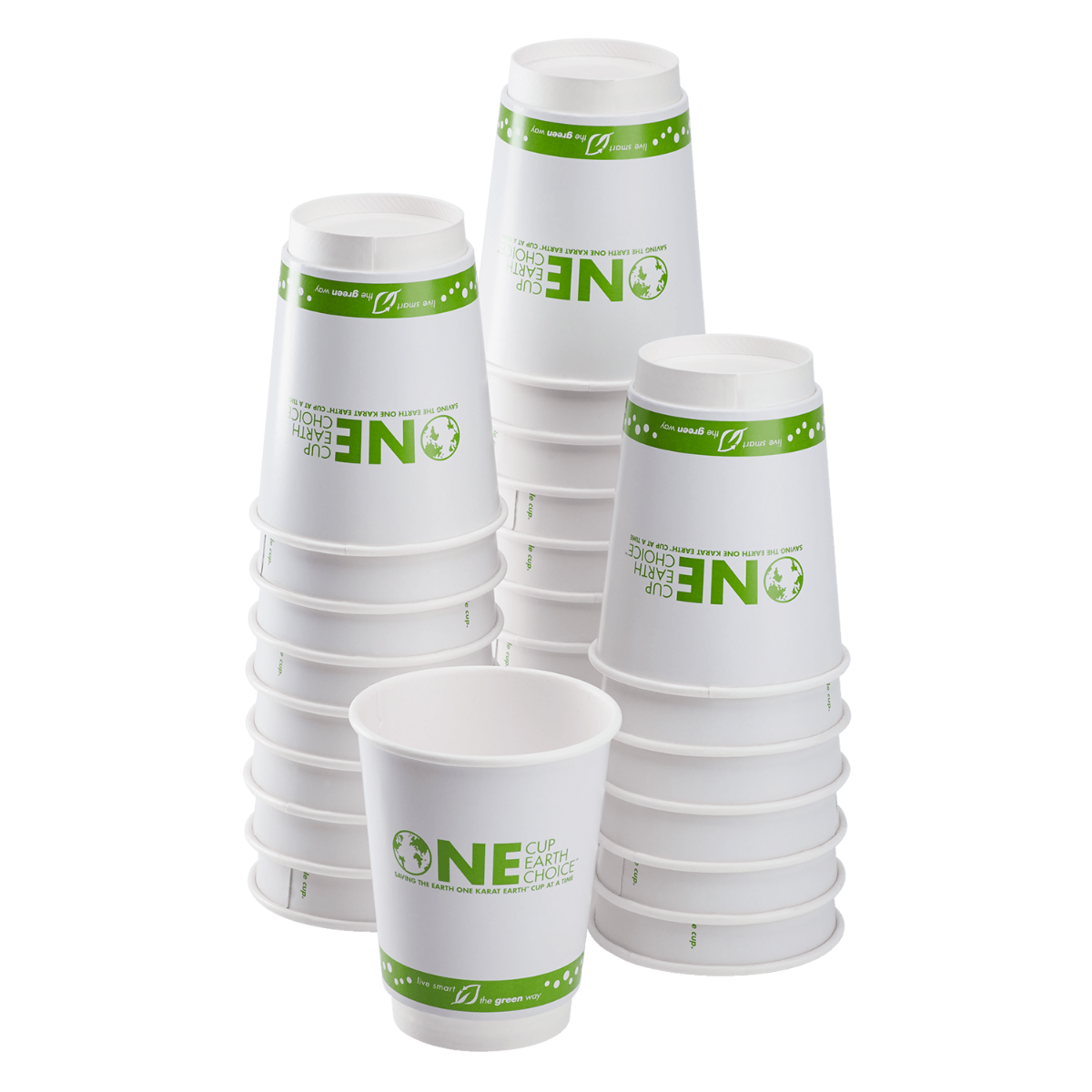
Insulated paper coffee cups often use biodegradable and compostable materials to reduce environmental harm. Many of these cups feature certified linings like PLA (polylactic acid), which conforms to ASTM D6400 standards for compostability. These linings ensure the cups break down safely in industrial composting facilities. Some cups combine food-grade kraft paper with coated paper layers, offering durability and leak resistance while remaining recyclable depending on local waste facilities. Additionally, these cups meet FDA food safety certifications, guaranteeing safe use with hot beverages. This balance of sustainability and safety is vital for eco-friendly coffee cups aimed at reducing landfill waste without compromising user experience. For more information, you can read about bicchieri di carta biodegradabili.
Environmental Benefits and Challenges
Double-wall insulated paper coffee cups decrease the need for double-cupping, effectively reducing waste by preventing customers from using two cups for insulation. Proper disposal varies: compostable cups should go to industrial composters, while recyclable cups must enter paper recycling streams, conditioned by local capabilities. Manufacturers take life cycle assessments seriously, focusing on lowering carbon footprints through efficient production and renewable materials. Current trends emphasize switching to plant-based, renewable resources like PLA or sugarcane fiber to increase the eco-friendliness of sustainable paper cups. Despite these advances, challenges remain in waste sorting and infrastructure that impacts cup recycling and composting rates.
| Material Type | Compostable | Recyclable | Sfide comuni | Vantaggi |
|---|---|---|---|---|
| PLA Lining | Sì | No | Requires industrial composting | Biodegradable, renewable |
| Polyethylene | No | Sì | Contamination in recycling | Durable, water-resistant |
| Carta Kraft | Varies | Sì | Depends on coatings | Renewable, good recyclability |
| Sugarcane Fiber | Sì | No | Availability and cost | Renewable, biodegradable |
Business and Consumer Sustainability Impact
Choosing sustainable insulated cups positively affects brand image in environmentally conscious markets. Businesses that adopt eco-friendly coffee cups demonstrate responsibility, attracting green-minded consumers. Bulk purchasing options support sustainability by cutting down packaging waste and shipping frequency, lowering the carbon emissions from transport. Furthermore, adherence to industry regulations and certifications ensures businesses comply with environmental standards, enhancing consumer trust. Embracing sustainable insulated paper coffee cups aligns business practices with growing environmental demands and differentiates brands in a competitive café marketplace.
Sizes, Customization, and Buying Considerations
Available Sizes and Volume Options
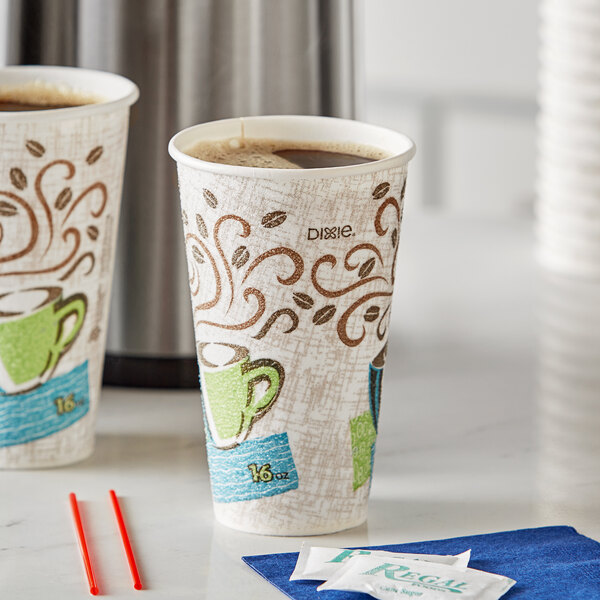
Insulated paper coffee cups come in a variety of standard sizes to accommodate different beverage preferences. Common sizes include 8 oz, 10 oz, 12 oz, 16 oz, and 20 oz, ideal for everything from small espresso shots to large specialty lattes. For example, an 8 oz cup typically caters to smaller, quick drinks, while the 16 oz and 20 oz sizes serve those who prefer larger portions. Each cup size features specific dimensions and rim diameters, such as the 4 oz espresso cup with a 2.36-inch rim diameter, ensuring compatibility with lids while providing user convenience. Lids range from flat to sip-through designs, made from recyclable or compostable plastics that fit securely to prevent spills. Businesses often purchase in bulk packaging, with common quantities being 500 or 1000 units per pack. Bulk buying supports cost savings and reduces shipping frequency, especially valuable for cafes and catering services managing high volumes daily.
| Cup Size (oz) | Rim Diameter (in) | Typical Use | Common Lid Types | Bulk Packaging Options |
|---|---|---|---|---|
| 4 | 2.36 | Espresso shots | Small sip-through | 500-1000 units |
| 8 | ~3.25 | Small coffee or tea | Flat, sip-through | 500-1000 units |
| 12 | ~3.75 | Medium servings | Flat, dome, sip-through | 500-1000 units |
| 16 | ~4.25 | Large coffee or latte | Flat, dome, sip-through | 500-1000 units |
| 20 | ~4.5 | Extra-large drinks | Dome, sip-through | 500-1000 units |
Custom Printing and Branding Opportunities
Many insulated paper coffee cup suppliers offer custom printing options that allow businesses to showcase logos, brand colors, and marketing messages. Custom insulated coffee cups enhance brand exposure by increasing customer loyalty and improving the cafe’s professional look. These branded coffee cups can turn simple serving vessels into powerful promotional tools, displaying brand identity wherever customers take their drinks. Minimum orders for custom prints typically start at several hundred units, and lead times vary from a few weeks to a month depending on complexity. Customization options help cafes and events stand out, delivering a memorable customer experience while reinforcing brand consistency.
Pricing and Supplier Selection
Cup pricing depends on several factors, including size, material sustainability standards, and the level of customization. For example, cups made with compostable PLA linings cost more than standard polyethylene-lined cups but appeal to environmentally conscious buyers. Bulk buying reduces costs significantly, making affordable insulated paper coffee cups accessible for small businesses and large-scale operations alike. When choosing a supplier, it’s essential to consider certifications for food safety and environmental claims, product quality to avoid leakage or poor insulation, reliable shipping methods, and responsive customer service. Insulated coffee cup suppliers are available through retail stores, online wholesale catalogs, and trade shows. Online wholesale platforms often provide the widest selection of bulk insulated paper coffee cups, with options for customization and quick reorder processes.
Usage, Performance, and Practical Tips
Usability for Hot and Cold Beverages
Double-wall insulated paper coffee cups excel at keeping hot drinks like coffee and tea warm for 30 to 45 minutes while preventing heat from transferring to your hands. This insulation comes from an additional air-trapping paper layer between the walls. These cups also work well for cold beverages, reducing condensation on the outer surface to keep hands dry and comfortable. In busy cafes and hospitality environments, these cups stand out for their spill resistance, stackability, and durability. The paper material, often kraft paper with a coated lining, ensures leak-proof drinking. Disposable coffee cups paired with specifically sized sip-through lids provide secure covers that prevent spills and help retain temperature, ideal for travel coffee cups and takeaway orders. This combination meets the fast-paced demands of cafes, making them a practical choice for both hot and cold beverage service.
Tips for Best Use and Storage
To get the best insulation, pair double-wall cups with matching lids like polystyrene sip-through designs made for the cup size—from 8 oz to 20 oz. Using the correct lid enhances heat retention and reduces spills. When storing bulk insulated coffee cups, keep them in a dry, clean area at room temperature to maintain structural integrity and hygiene. Avoid heavy stacking on top that may crush the cups. Staff should handle cups with care during service, ensuring lids fit snugly to optimize insulation and prevent leakage. Training staff to quickly and securely apply lids improves customer satisfaction by delivering a safe and comfortable drinking experience.
Risoluzione dei problemi comuni
Common problems with insulated disposable coffee cups include cup leakage, poor insulation, and lids that don’t fit properly. Leakage usually results from damaged rims or improper lid sizes. To prevent this, choose cups certified for food safety and environmental standards, and verify lid compatibility before use. Insufficient insulation may happen if the cup is single-wall or if the lid is missing, so always use double-wall cups with matching lids. Dispose of cups according to their certification—recycle cups with polyethylene lining and compost PLA-lined ones when facilities are available—to avoid contamination and waste issues.
Alternative Options: Reusable vs. Disposable
Disposable insulated paper coffee cups offer convenience and sustainability when made from biodegradable or recyclable materials. They are preferred in hygiene-sensitive settings like hospitals or events because they eliminate cross-contamination risks. However, reusable coffee cups, made from materials like stainless steel or BPA-free plastic, provide a more eco-friendly option by reducing waste over time. Reusable cups suit everyday personal use, especially for travel coffee cups, while disposable cups remain the best choice for high-volume cafes needing stackable, spill-resistant solutions with custom branding opportunities. Balancing convenience and sustainability, many cafes offer both options to meet diverse customer needs.
FAQs about insulated paper coffee cups:
What are insulated paper coffee cups?
Insulated paper coffee cups are specially designed cups made with a layer of insulating material to keep beverages hot or cold longer than regular paper cups. They commonly feature a double-wall construction or a corrugated sleeve built into the design to reduce heat transfer and prevent the cup from becoming too hot to hold.
Why choose insulated paper coffee cups over regular cups?
Choosing insulated paper coffee cups ensures your drink stays at the desired temperature longer, improving enjoyment. Additionally, the insulation protects your hands from heat, offering a safer, more comfortable grip without the need for extra sleeves, which reduces waste and convenience.
Are insulated paper coffee cups environmentally friendly?
Insulated paper coffee cups can be more environmentally friendly when made from recyclable or compostable materials, but this varies by manufacturer. Some use biodegradable insulation layers, whereas others use plastic coatings that complicate recycling, so always check product specifications for eco-friendly claims.
Can insulated paper coffee cups keep drinks cold as well as hot?
Insulated paper coffee cups are effective at maintaining both hot and cold temperatures by minimizing heat transfer between the beverage and the environment. Their design helps keep cold drinks chilled without condensation forming on the cup surface, making them suitable for iced beverages as well.
How are insulated paper coffee cups constructed?
Insulated paper coffee cups are usually constructed with multiple layers, including an inner paper lining that is food safe, an insulating layer such as foam or