
Recyclable paper coffee cups offer a practical way to cut waste and help the planet. Their smart design uses materials that boost recycling chances while keeping drinks safe. Though recycling paper cups has challenges, new tech and clear steps make it easier to recycle or dispose of them properly. Businesses gain by choosing these cups through cost savings and greener branding. When picking cups, focus on lining type and certification to match your needs. By choosing recyclable paper coffee cups, you support a cleaner environment and a smarter future for coffee lovers everywhere.
Understanding Recyclable Paper Coffee Cups: Materials and Design
Core Materials and Construction
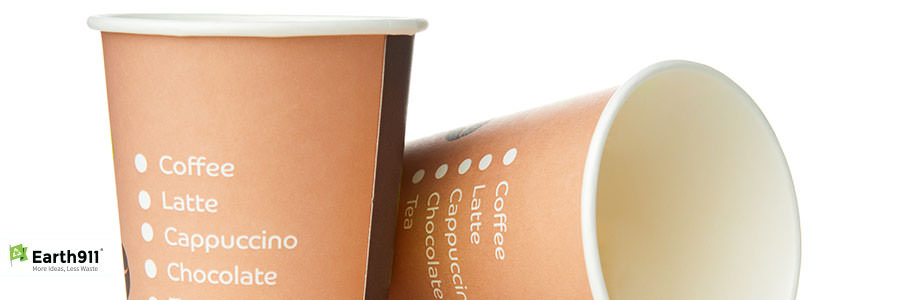
Recyclable paper coffee cups start with a paper fiber base, often made from virgin paper to ensure strong, hygienic walls. Virgin paper is used because recycled fibers can weaken the cup and may carry contaminants. The inside of these cups is coated with a lining to prevent leaks and withstand hot liquids. The three main types of linings are polyethylene (PE), polylactic acid (PLA) bioplastic, and wax. PE is a common plastic lining but makes recycling hard because it must be separated from paper fibers. PLA is a bio-based plastic derived from plants, offering compostability in industrial conditions but requiring special processing. Wax linings can aid compostability too but are less durable for hot drinks. New technologies focus on innovative coatings and mechanical separation methods that allow recycling facilities to break down cups and reclaim fibers without contamination. These advances improve recyclability compared to traditional single-use cups that mix paper and plastics inseparably.
| Lining Type | Descripción | Recycling/Composting Feasibility | Durability for Hot Drinks |
|---|---|---|---|
| Polietileno (PE) | Plastic lining, waterproof | Hard to recycle, must be separated | High |
| Polylactic Acid (PLA) | Bio-based plastic from plants | Compostable in industrial conditions | Moderate |
| Wax | Natural coating | Aids compostability but less durable | Low to moderate |
Features That Enable Recyclability
To enable recycling, cups are designed so their plastic lining can be separated easily in advanced recycling plants. Recyclable paper coffee cups differ from conventional single-use cups by using linings and materials that allow fiber recovery. They maintain heat resistance and liquid containment for both hot and cold drinks without relying on thick plastic coatings. These cups often include clearer labeling and simpler construction to speed sorting and processing at recycling facilities. Some cups also use thinner or bio-based linings tailored to break down under controlled recycling or composting processes, reducing landfill waste.
Biodegradable vs. Recyclable: Key Differences
Biodegradability means a product can break down naturally over time, while recyclability means materials can be reprocessed into new products. Compostability—a subset of biodegradability—requires specific industrial conditions with high heat and controlled moisture levels for linings like PLA and wax to degrade properly. Home composting usually cannot replicate these conditions, so many “biodegradable” cups don’t break down well in backyard compost bins. Recyclable cups focus on preserving paper fibers for reuse, reducing the need for virgin materials. The environmental impact varies: plastic-based coatings in non-recyclable cups contribute to pollution, while recyclable cups reduce landfill waste but require proper recycling infrastructure, which is growing but still limited. Choosing recyclable over biodegradable depends on local waste management capabilities and environmental goals.
Recycling Paper Coffee Cups: Challenges and Solutions
Why Most Paper Coffee Cups Are Hard to Recycle
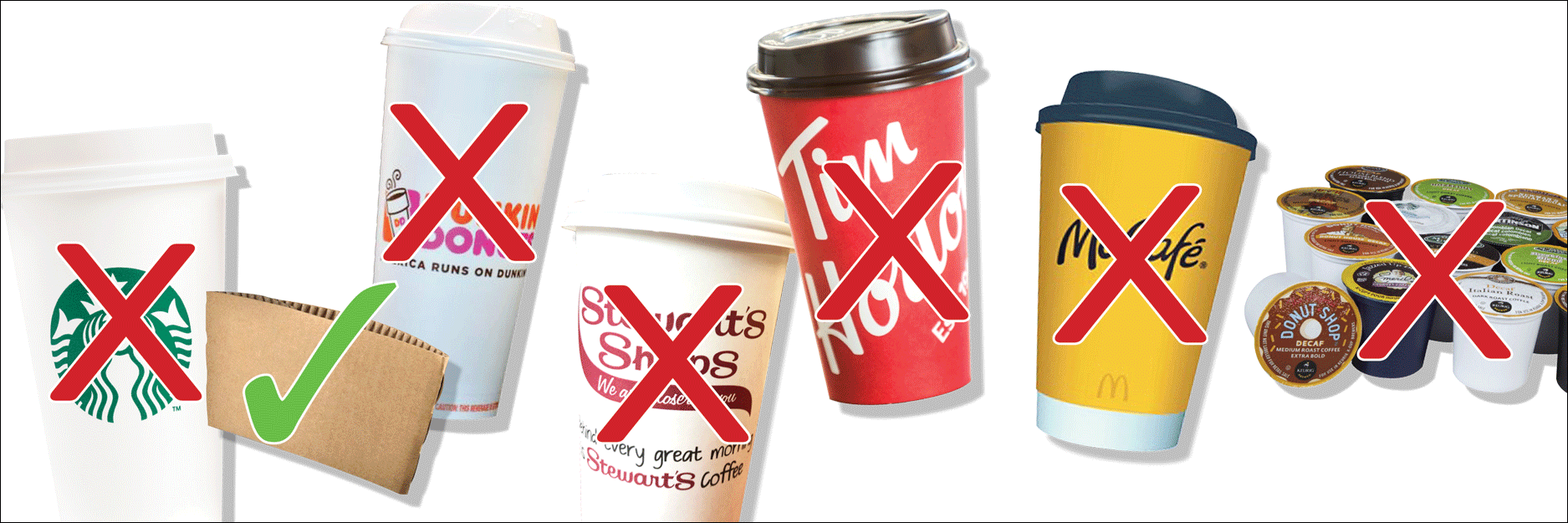
Most paper coffee cups are hard to recycle because they have a thin plastic coating called polyethylene that makes them waterproof. This plastic lining makes normal curbside recycling tough since typical facilities can’t separate the lining from the paper fibers during pulping. Without separation, the paper pulp gets contaminated and cannot be reused. Also, only a few specialized recycling centers exist that can handle these coated cups, mostly in select regions in the U.S., Canada, and the UK. Another problem is contamination: cups often arrive mixed with leftover liquids, food waste, or non-recyclable parts like straws, making sorting difficult and reducing recycling success rates.
| Recycling Challenges | Detalles |
|---|---|
| Plastic Lining Contamination | Polyethylene coating mixes with paper fibers, contaminating pulp |
| Limited Facilities | Few specialized centers able to recycle coated cups |
| Contamination by Residue | Leftover liquids, food waste, non-recyclable parts like straws cause sorting issues |
| Sorting Difficulties | Mixed materials lead to rejected recycling loads |
Advances in Recycling Technology and Infrastructure
Recycling technology is improving with new methods for separating the plastic lining from the paper fiber. In some areas of North America and Europe, specialized facilities use pulping innovations that recover more fibers, allowing some recyclable hot beverage cups to be processed effectively. Environmental service companies are developing better separation techniques to increase recovery rates. These advances, combined with expanded infrastructure and customer education programs, encourage higher recycling participation. Though still limited, these improvements offer hope that more recyclable paper cups can be properly handled rather than sent to landfills.
Proper Disposal and Preparation Guidance
To recycle paper coffee cups properly, first separate the components: remove plastic lids, corrugated cardboard sleeves, straws, and stirrers. Plastic lids are often made from #1 to #7 plastics and may be recyclable if your local facility accepts them. Paper sleeves can usually be recycled with cardboard. Straws and stirrers should never go in recycling as they are typically plastic or mixed materials. If recycling isn’t available in your area, it’s best to dispose of these cups in the trash to avoid contamination in recycling streams. Participating in local or business recycling programs increases the chances of proper paper cup recycling.
Industry Efforts and Partnerships
Major companies like Starbucks have joined forces with partners such as Closed Loop to create recyclable and compostable coffee cups. These partnerships aim to boost sustainable product adoption and develop closed-loop circular systems. Additionally, some cities promote reusable cup models, like Freiburg, Germany’s deposit-based “Freiburg Cup,” encouraging customers to return cups for reuse. Such corporate and municipal initiatives help shift the coffee industry toward eco-friendly solutions and reduce reliance on single-use disposable cups.
Environmental and Economic Benefits of Recyclable Paper Coffee Cups
Environmental Advantages
Recyclable paper coffee cups significantly cut down landfill waste compared to traditional non-recyclable cups. Because standard disposable cups often end up in landfills due to their plastic linings, switching to recyclable cups means more paper fibers get recovered and reused. This conservation of natural resources reduces reliance on virgin paper, which is the source for most conventional cups. Additionally, recyclable cups have a lower carbon footprint during their lifecycle because recycling saves energy compared to producing new paper from trees. Importantly, these cups help mitigate plastic pollution by limiting polyethylene linings, which are typically hard to recycle. Some advanced recyclable cups use innovative coatings that can be separated in special facilities, reducing plastic residue in the environment. By diverting millions of cups from landfill, these recyclable options provide a clear boost to environmental health and lowering waste impact.
| Benefit Type | Descripción | Impact |
|---|---|---|
| Waste Reduction | More fibers recycled, less landfill contribution | Decreases landfill volume and pollution |
| Resource Conservation | Less virgin paper needed | Saves forests and raw materials |
| Huella de carbono | Recycling uses less energy vs. virgin paper production | Reduces greenhouse gas emissions |
| Plastic Pollution | Lower polyethylene residue in environment | Helps reduce microplastic and plastic waste in ecosystems |
Economic and Sustainability Benefits for Businesses
Adopting recyclable paper coffee cups helps businesses enhance their brand image by showing commitment to sustainable practices. This aligns well with rising consumer expectations for environmentally friendly coffee cups and pressures from evolving regulations focused on waste reduction. Companies can also benefit financially through potential savings on waste disposal fees when they divert cups to recycling streams. Incorporating recyclable cups supports corporate ESG (Environmental, Social, and Governance) targets, making sustainability reporting more transparent and effective. Furthermore, consumer demand trends now favor eco-conscious coffee cup options, giving businesses a competitive edge in attracting customers who value green alternatives. Thus, recyclable cups offer economic advantages alongside environmental responsibility.
Comparison to Other Single-Use and Reusable Alternatives
Choosing between disposable recyclable cups, compostable cups, and reusable mugs involves trade-offs. While compostable cups require industrial composting facilities, which are limited, recyclable cups fit better into existing paper recycling channels where infrastructure allows. Reusable mugs eliminate waste but depend heavily on user behavior and cleaning logistics. Market availability of recyclable paper coffee cups is increasing, though they may cost slightly more than standard cups due to specialized coatings and materials. However, this premium supports circular economy strategies in foodservice by promoting recovery and reuse of paper fibers. Overall, recyclable paper cups represent a practical middle path—delivering environmental benefits without the complexity of composting and with more convenience than reusables, especially in busy coffee shops and events.
| Cup Type | Recycling/Composting Facility Needed | User Convenience | Impacto medioambiental | Cost Factor |
|---|---|---|---|---|
| Recyclable Paper Cups | Yes, specialized facilities required | High (disposable) | Moderate environmental gain | Slightly higher |
| Vasos compostables | Industrial composting necessary | Moderate (disposable) | Good if composted correctly | Usually similar or higher |
| Reusable Mugs | No | Requires cleaning (user) | Best environmental impact | Higher upfront cost |
Choosing and Using Recyclable Paper Coffee Cups: Buyer and Consumer Guidance
Selecting the Right Cups for Your Needs
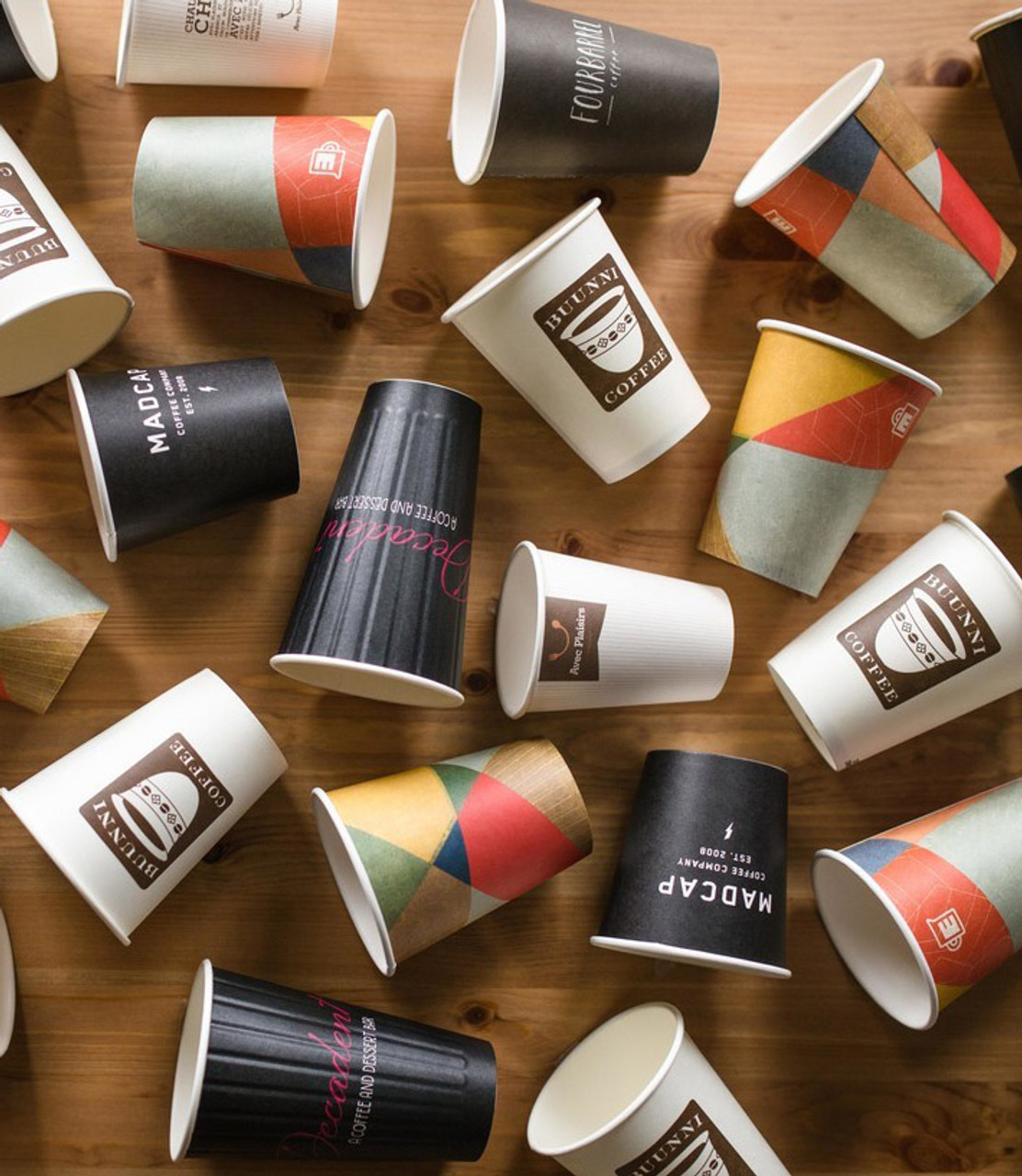
When choosing the best recyclable coffee cups, I focus on key factors like lining type, certifications, cup size, and insulation. Linings vary mainly between polyethylene (PE) and polylactic acid (PLA); PLA options often support compostability but need industrial composting facilities. Certifications such as FSC for sustainable paper sourcing or compostable certifications add trust to eco-friendly coffee cup options. Popular brands offering verified recyclable paper coffee cups include suppliers partnering with major chains like Starbucks, which uses Closed Loop materials to enhance recyclability. Cafes and businesses can find bulk purchase options from these suppliers tailored for high-volume use, ensuring cost-effectiveness and sustainability together.
Tips for Effective Use and Disposal
Proper education is crucial to maximize the benefits of recyclable coffee cups. I recommend training staff and informing customers about separating plastic lids and corrugated sleeves, which are commonly recyclable, from cups to prevent contamination in recycling streams. Encouraging reusable cup programs alongside single-use recyclable cups helps reduce overall waste. In places where recycling infrastructure for paper cups is limited, clear labeling for disposal and handling ensures cups end up in the right waste bin. This reduces landfill waste and supports better recycling outcomes, keeping the environment cleaner.
Innovations and Trends in Eco-Friendly Coffee Cups
Recently, there are exciting trends in eco-friendly coffee cups. New materials such as bio-based plastics and improved coatings make cups easier to recycle or compost in commercial facilities. Deposit-return and cup-sharing systems are gaining traction, as seen in Freiburg, Germany, where a reusable “Freiburg Cup” system has reduced waste significantly with a deposit model. Also, consumers are increasingly choosing sustainable paper cups and influencing businesses to adopt greener options. These shifts help lower the single-use cup waste that plagues many cities today.
For more information about eco-friendly options, you can explore our guide on vasos de papel biodegradables or check out our insulated paper coffee cups guide. If you’re looking for custom-printed paper coffee cups, we have great options available.
FAQs about recyclable paper coffee cups:
What are recyclable paper coffee cups?
Recyclable paper coffee cups are cups made primarily from paper materials designed to be processed and reused through recycling systems. They typically contain a thin lining of plastic or compostable material to prevent leaks, which can affect recyclability. These cups aim to reduce waste by enabling recycling, but proper disposal and local recycling capabilities play a crucial role in their effective recycling.
Are all paper coffee cups recyclable?
Not all paper coffee cups are recyclable, as many have plastic linings that complicate recycling processes. For a paper cup to be recyclable, it must use materials compatible with local recycling facilities. Some cups use biodegradable or compostable linings instead, which require special industrial composting conditions. Always check local recycling guidelines to ensure proper disposal of paper coffee cups.
How can I recycle paper coffee cups properly?
To recycle paper coffee cups properly, first check if your local recycling facility accepts them, as policies vary. Remove any plastic lids or sleeves before recycling. Cups should be clean and free of liquid residue to avoid contamination. If the cups have a plastic lining, confirm whether your facility can handle this type of material. When in doubt, look for designated recycling bins specifically for paper cups.
Why choose recyclable paper coffee cups over plastic ones?
Choosing recyclable paper coffee cups over plastic ones helps reduce environmental impact by utilizing renewable resources and enabling recycling. Paper cups typically break down faster in landfills or compost environments compared