
Eco-friendly paper coffee cups offer a strong step toward cutting waste and pollution. Knowing what materials to choose and how to dispose of them makes a big difference. From understanding certifications to picking the right supplier, every choice affects the planet. Using these cups right supports zero waste goals and helps businesses and individuals build a cleaner environment. With growing options and clearer guidelines, switching to eco-friendly cups is easier than ever. Staying informed and acting wisely can turn everyday coffee moments into eco wins.
Materials and Certifications of Eco-Friendly Paper Coffee Cups
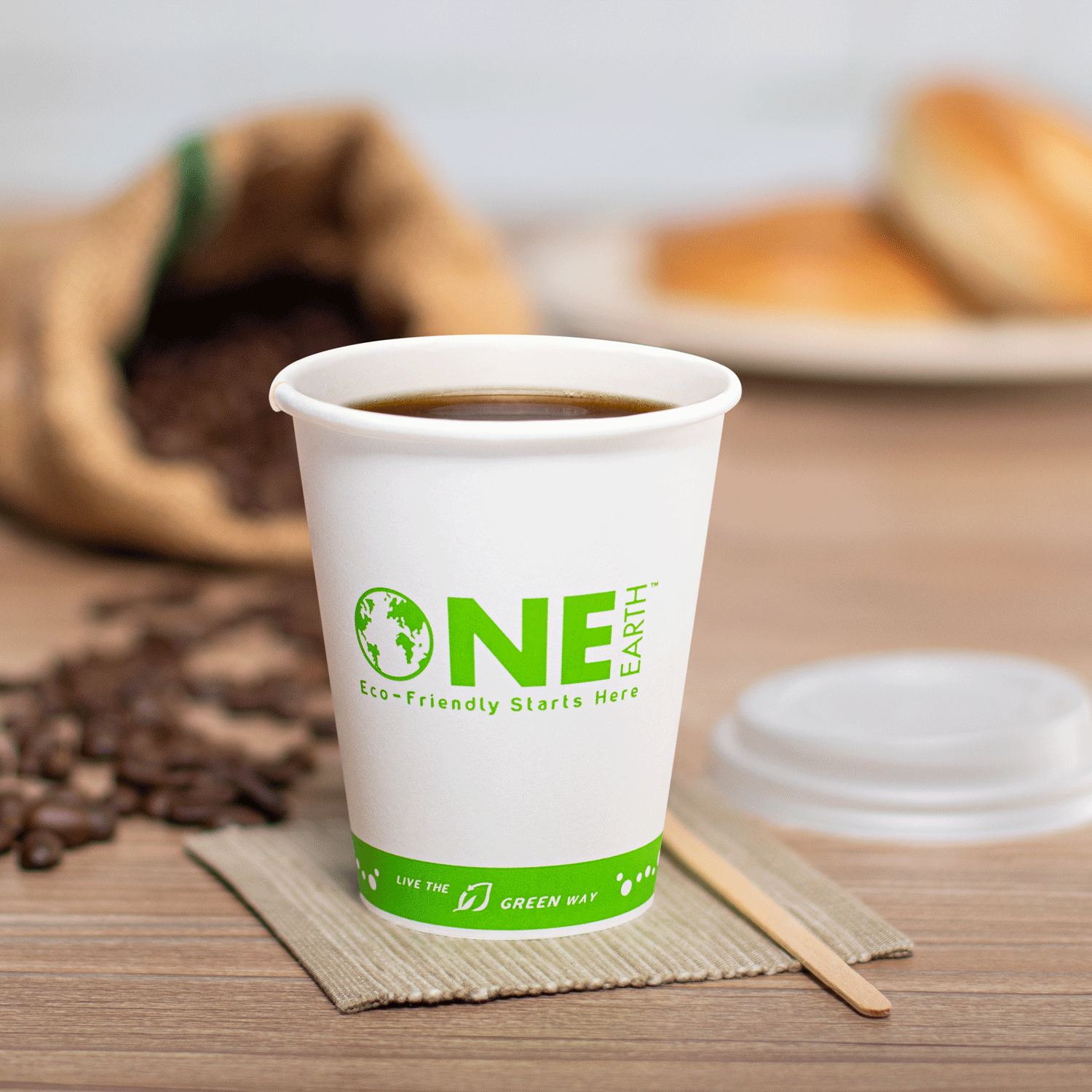
Materials Used in Eco-Friendly Paper Coffee Cups
Eco-friendly paper coffee cups are made from paper bases sourced either from virgin fiber or post-consumer recycled fiber to boost sustainability. This approach helps reduce demand for virgin tree pulp and lowers environmental impact. The cups’ inner linings are crucial for liquid containment without harming the environment. Common linings include PLA (polylactic acid) bioplastic, PHA coatings derived from canola oil, and innovative aqueous water-based coatings. Aqueous coatings stand out because they enable cups to be composted not only in industrial facilities but sometimes also in home or curbside composting programs, which is a major advantage over traditional polyethylene linings that hinder biodegradation.
Additionally, these cups are designed free of BPA, PFAS, and petroleum-based plastics. This means they avoid toxic chemicals that could leach into the environment or your beverage. This non-toxic construction is vital for maintaining safety while ensuring the cup breaks down quickly after disposal. Manufacturers also offer sizes and neutral designs to allow for easy branding, accommodating the needs of cafes and businesses looking for eco-friendly solutions.
Environmental Certifications and Standards
Certifications play a key role in confirming true eco-friendliness of compostable coffee cups. The ASTM D6400 and EN 13432 standards are internationally recognized benchmarks that ensure cups are industrially compostable—meaning they break down into harmless material within 90 to 180 days under specific conditions. This level of composting is stricter than just using “biodegradable” labels, which can be vague and misleading.
One well-known certification authority is the Biodegradable Products Institute (BPI). Their certification confirms that products have undergone third-party testing for compostability. This verification assures consumers and businesses that the cups will not just degrade, but do so in an environmentally safe way compatible with commercial composting infrastructure. Choosing certified compostable cups is vital because it guarantees that the product meets rigorous break-down timelines and environmental safety criteria.
Hot vs. Cold Beverage Cups Material Differences
Hot and cold beverage cups differ in paper thickness and lining to handle their specific requirements. Hot cups feature thicker, insulated paper and linings that safely withstand heat without breaking down during use or releasing harmful chemicals. This insulation helps maintain beverage temperature and prevents leaks for hot drinks such as coffee or tea.
In contrast, cold cups are thinner but still sturdy enough for iced coffees, smoothies, or sodas. The linings used in cold cups are designed to provide liquid resistance while maintaining compostability standards. Both types of cups can be paired with compostable lids and sleeves made from compatible materials. This compatibility ensures a cradle-to-grave eco-friendly product cycle, supporting zero waste goals for businesses and consumers.
Proper selection of hot or cold cups along with biodegradable lids and sleeves is essential for businesses aiming for sustainable disposable cups that reduce environmental impact while delivering reliable performance.
| Cup Type | Paper Thickness | Lining Material Examples | Use Case | Compostability Notes |
|---|---|---|---|---|
| Hot Cups | Thicker, insulated | PLA, PHA, aqueous coatings | Coffee, tea, hot beverages | Requires heat-resistant compostable lining |
| Cold Cups | Thinner, sturdy | PLA, aqueous coatings | Iced coffee, smoothies, soda | Liquid resistant, compostable |
Environmental Impact and Proper Disposal of Eco-Friendly Paper Coffee Cups
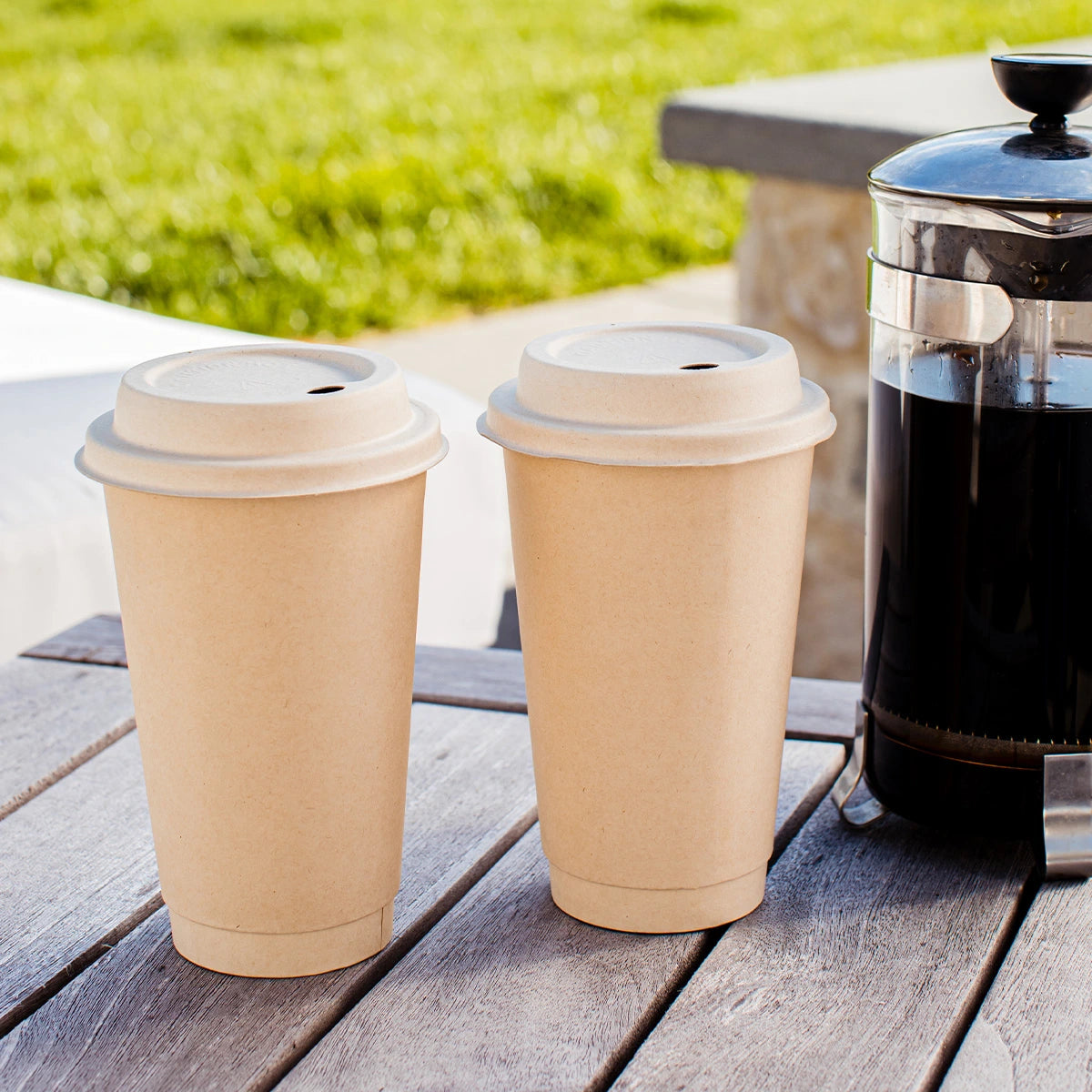
Environmental Benefits Over Conventional Cups
Eco-friendly paper coffee cups significantly reduce landfill waste compared to regular plastic-lined cups. Traditional cups often contain polyethylene, which leads to toxic microplastic pollution as they break down. In contrast, eco coffee cups use renewable, bio-based materials like PLA or aqueous coatings, which lower carbon footprints when composted properly. Lifecycle studies show these benefits depend on proper disposal. Cups correctly sent to industrial composting facilities break down fully, returning nutrients to the soil and avoiding long-lasting waste. Thus, sustainable coffee cups not only reduce visible trash but also prevent chemical toxins from contaminating ecosystems.
Challenges in Disposal and Composting Infrastructure
Despite these advantages, disposal poses challenges. PLA-lined cups need industrial composting for full degradation since home composting lacks the required heat. However, cups with aqueous linings or PHA coatings can be composted at home or in some curbside programs, allowing more user flexibility. A major barrier is contamination: leftover coffee grounds or food can spoil recycling or composting efforts. Additionally, removing plastic lids and cardboard sleeves is necessary, as these materials may not break down or recycle simultaneously with the cups. Local composting and recycling infrastructure vary widely; many municipalities lack suitable facilities. Consumers should check local waste management capabilities to ensure eco-friendly coffee cup options are processed correctly.
Practical Disposal Recommendations
To minimize environmental impact, I recommend using commercial or curbside composting programs whenever available. For cups with aqueous coatings, home composting tools like the Lomi® can aid breakdown effectively. Separating lids and sleeves from cups before disposal improves recyclability and compostability. Disposing of these cups in landfills or via incineration reduces their environmental benefits, as they may release harmful gases or persist without degrading. By following proper disposal steps, such as verifying local programs and ensuring waste separation, users support zero waste coffee cups and broader sustainability goals.
| Disposal Method | Suitable Cup Linings | Breakdown Environment | Notes |
|---|---|---|---|
| Industrial Composting | PLA, PHA, aqueous coatings | High heat, controlled | Full degradation 90-180 days |
| Home Composting | Aqueous coatings, PHA | Lower heat, backyard or curbside | Limited PLA breakdown |
| Landfill | All | Anaerobic, slow degradation | Releases methane, persists long |
| Incineration | All | High temperature | Emits greenhouse gases |
Market Options, Brands, and Purchasing Tips for Eco-Friendly Paper Coffee Cups
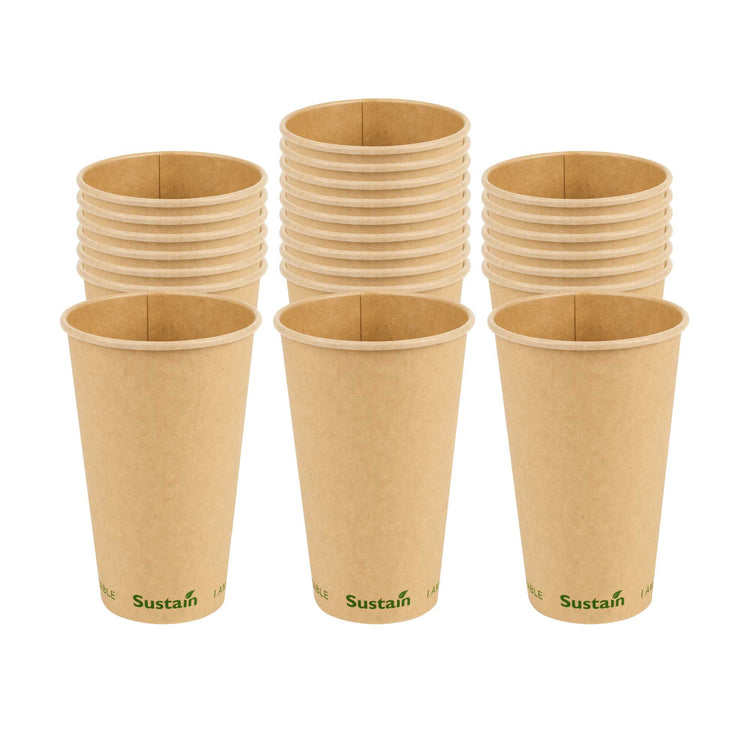
Leading Brands and Product Features
Notable suppliers like Greenprint, Phade, World Centric, Go-Compost, Good Start Packaging, and Repurpose® lead the eco coffee cups wholesale market. They offer compostable cups primarily sized at 16 oz, ideal for popular drinks such as lattes and iced coffee. These cups feature BPA- and PFAS-free construction, with linings that vary from aqueous water-based coatings to bioplastics like PLA and PHA. Aqueous linings stand out by enabling home composting, unlike PLA which typically requires industrial composting. Many brands provide matching compostable lids, sleeves, and accessories, allowing businesses to offer zero waste disposable eco-friendly cups. Additionally, cups often come in neutral designs, supporting custom printing for branding, helping cafes and retailers meet both sustainability and marketing needs.
Buying Considerations for Businesses and Consumers
When selecting eco-friendly paper coffee cups, consider the beverage type because hot cups are thicker and insulated while cold cups are thinner for chilled drinks. Local composting and recycling facility availability is crucial since compostable certifications matter only if cups can be processed properly. Bulk purchasing benefits businesses by lowering costs and ensuring consistent supply, so sourcing from eco-friendly coffee cup suppliers with transparent material and certification info is wise. Shipping policies like next-day options and flexible recurring orders meet operational demands. To minimize waste, confirm if lids and sleeves are also compostable or recyclable. This thoughtful supplier and product selection ensures eco-conscious cafés and consumers avoid greenwashing and optimize environmental impact.
Trends and Innovations
The market shows a clear shift towards aqueous coatings that reduce plastic reliance and enable home or curbside composting. Zero waste product lines are expanding to support circular economy goals in food service, reducing landfill contributions. Rising eco-conscious consumer demand encourages brands to differentiate products more clearly and push industry-wide sustainability standards. Innovations also include bio-based PHA linings derived from canola oil, enhancing biodegradability while maintaining cup performance. In sum, the future of eco paper cups involves improved materials, transparent certifications, and complete packaging systems that align with growing environmental awareness and business needs alike.
| Brand / Supplier | Lining Types Offered | Composting Compatibility | Notable Features |
|---|---|---|---|
| Greenprint | PLA, aqueous coatings | Industrial and some home | BPA/PFAS-free, custom print options |
| Phade | PLA, PHA | Industrial composting | Focus on sustainability innovation |
| World Centric | PLA | Industrial composting | Bulk options, eco-conscious branding |
| Go-Compost | Aqueous coatings | Home and curbside compost | Zero waste product lines |
| Good Start Packaging | PLA, aqueous | Industrial and home (aqueous) | Variety of sizes and matching lids |
| Repurpose® | PLA and aqueous combinations | Industrial, some home | Wide distribution and recognized brand |
Usage Tips and Best Practices for Eco-Friendly Paper Coffee Cups
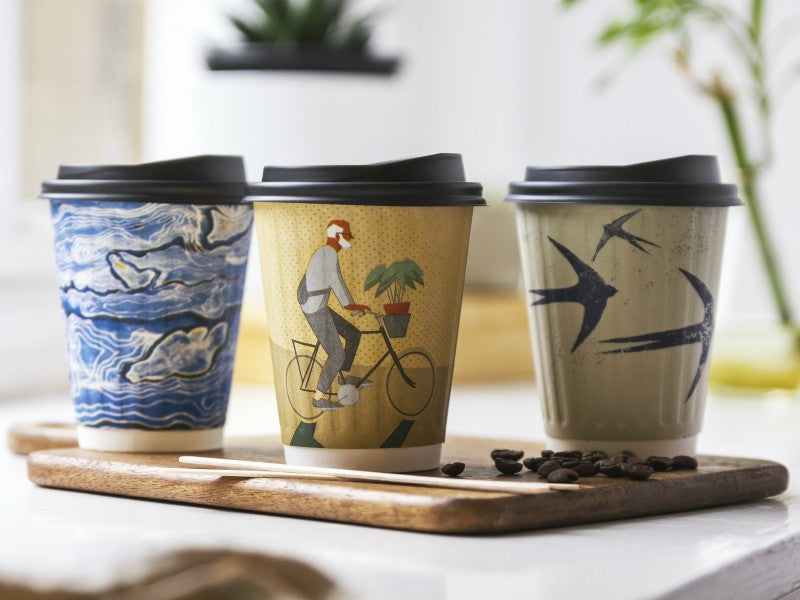
Maintaining Cup Performance and Customer Experience
Choosing the right cup type is key to good service. Hot cups are thicker and insulated to hold coffee, tea, and other warm drinks without leaks or losing heat. Cold beverage cups are thinner, designed for iced coffee, smoothies, or soda, keeping the drink fresh and cool. Pairing cups with compostable lids and sleeves made of materials like molded fiber or coated paper helps customers carry drinks conveniently while keeping the waste eco-friendly. To avoid contamination that impairs recycling or composting, handling cups with clean hands and ensuring leftover food or liquid does not linger in or on the cups is vital. This practice helps maintain their compostability or recyclability and preserves the cup’s integrity during use.
Supporting Zero Waste and Circular Economy Goals
For cups to truly fulfill their promise of sustainability, proper disposal is critical. I always recommend customers check with their local waste management whether compost or recycling facilities accept these cups. Compostable cups lined with PLA need commercial composting, while aqueous-coated cups may work in home or curbside compost bins. Encouraging reuse by offering durable reusable paper cups helps reduce single-use waste. Training staff about the separation of lids, sleeves, and cups ensures each component goes to the correct recycling or composting stream, improving the facility’s efficiency. Educational signage and customer communication further boost participation in zero waste practices, protecting the environment and supporting the circular economy by keeping materials in use.
Troubleshooting Common Challenges
Many businesses report difficulty sourcing lids that fit certified compostable cups, since availability remains limited. It helps to plan ahead and explore suppliers specializing in compostable lids and sleeves. Another common problem is inadequate local composting infrastructure, which leads to cups ending up in landfills. Tools like Lomi® promote home composting for aqueous-coated cups, bridging some gaps when industrial composting isn’t accessible. Contamination from leftover food or drink residues can cause compostable cups to fail recycling or composting. Staff should be trained to remind consumers to empty cups and remove excess waste before disposal, reducing contamination and improving recycling or compost quality.
| Best Practices | Details | Benefits |
|---|---|---|
| Use Correct Cup Type | Select hot or cold cup depending on drink | Maintains temperature and integrity |
| Separate Components | Remove lids and sleeves before disposal | Increases recyclability/composting |
| Train Staff & Customers | Educate about waste separation | Reduces contamination |
| Use Local Composting Resources | Verify local facility acceptance | Ensures proper breakdown |
| Encourage Reuse | Offer reusable cup alternatives | Minimizes single-use waste |
By choosing eco-friendly paper coffee cups, you can support the environment and contribute to a sustainable future. For guidance on the types and benefits, the paper cups versus plastic cups article offers valuable insights. Consider exploring options available through wholesale paper cup suppliers to find the best products suited for your business needs. Additionally, the compostable paper cups guide provides essential information regarding proper disposal and environmental impact.
FAQs about eco-friendly paper coffee cups:
What are eco-friendly paper coffee cups made of?
Eco-friendly paper coffee cups are made of biodegradable or recyclable materials such as sustainably sourced paper, often lined with a plant-based or compostable coating instead of traditional plastic. This composition reduces environmental impact by breaking down more easily in composting facilities, unlike conventional cups which contain non-biodegradable polyethylene liners.
How do eco-friendly paper coffee cups reduce environmental impact?
Eco-friendly paper coffee cups reduce environmental impact by using renewable resources and compostable liners, which minimize plastic waste and decrease landfill accumulation. Their biodegradable nature allows for faster decomposition, lowering pollution and conserving natural resources compared to single-use plastic or non-recyclable cups.
Are eco-friendly paper coffee cups recyclable?
Eco-friendly paper coffee cups are recyclable only if they use a compostable or recyclable lining rather than traditional plastic. Some cups require specific recycling processes due to their coating, so verifying local recycling guidelines is essential. Many brands design these cups to be compatible with industrial composting or specialized recycling facilities.
Can eco-friendly paper coffee cups be composted?
Eco-friendly paper coffee cups can be composted if they have compostable linings made from materials like PLA (polylactic acid). Proper industrial composting facilities can break down these cups efficiently, turning them into nutrient-rich compost and reducing landfill waste. Home composting may not be sufficient due to lower temperatures.