
This guide covered the key types of sustainable paper cup materials and their roles. It explained how eco-friendly manufacturing and certifications support green goals. The differences between biodegradable and compostable cups were explored, along with the pros and cons of each. Practical tips showed how to pick the right cup material for your needs and brand. Choosing sustainable paper cups helps reduce waste and lowers environmental harm. By using smart materials and processes, businesses can lead the way to a cleaner future.
Understanding Sustainable Paper Cup Materials
Key Types of Materials Used in Sustainable Cups
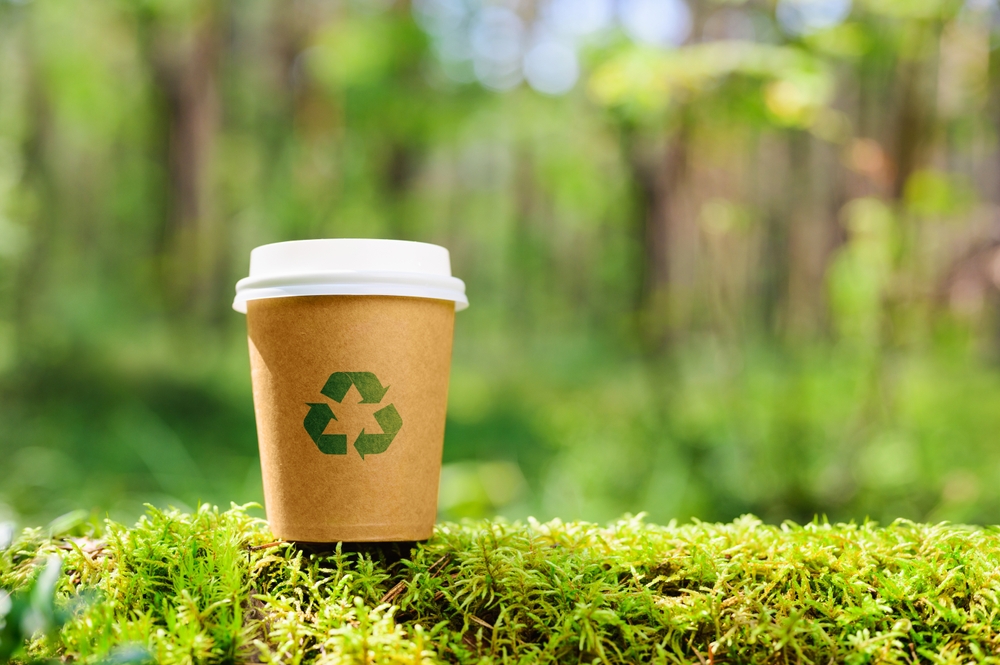
Sustainable paper cups mostly use virgin paperboard sourced from FSC- or PEFC-certified forests. This ensures timber is harvested responsibly, maintaining forest health and biodiversity. Recycled paperboard is another key material. It reduces deforestation and carbon emissions by using post-consumer waste fibers. However, recycled paper must be carefully processed to meet food safety and durability standards, as impurities can affect cup quality. For moisture resistance, many cups use bioplastic linings such as PLA (polylactic acid). PLA is derived from renewable resources like cornstarch and is biodegradable under industrial composting conditions. Alternative barrier coatings, including water-based dispersions and bio-based films, are gaining attention. These coatings improve compostability and recyclability by replacing traditional plastic linings. Emerging materials like bagasse, a byproduct of sugarcane, offer another plant-based fiber option. Bagasse pulp is compostable and renewable, expanding sustainable pulp choices beyond wood. You can find more about the composition of these materials in our biodegradable paper cups guide.
Material Properties and Functional Roles
Paper cups need strong moisture and grease resistance to handle cold and hot drinks without leaking or sogginess. Traditionally, polyethylene (PE) linings provided this waterproof barrier but pose recycling challenges due to plastic contamination. PLA linings offer a more eco-friendly alternative. They are compostable, reducing environmental impact if processed in industrial facilities. However, PLA cups are not yet widely recyclable in standard systems. Innovations strive to balance durability with sustainability by developing bio-based linings that maintain cup strength while enhancing biodegradability and recycling compatibility. These advances help eco-cups perform well for beverage service while reducing pollution risks.
Environmental Benefits of Material Choices
Choosing certified virgin and recycled paperboard drastically cuts deforestation by protecting natural forests. Using recycled content also lowers the carbon footprint because fewer trees are harvested, and energy consumption is reduced during production. Plant-based linings like PLA reduce reliance on fossil fuels compared to traditional plastic liners. These materials promote biodegradability and compostability, helping to divert waste from landfills into industrial composting facilities. This supports circular economy principles by closing material loops. Altogether, selecting sustainable materials for paper cups helps reduce greenhouse gas emissions, plastic pollution, and resource depletion, making them better for the environment.
| نوع المادة | Source | Environmental Benefits | Functional Role |
|---|---|---|---|
| Virgin Paperboard | FSC/PEFC-certified forests | Responsible forestry, protects biodiversity | Paper cup structure |
| Recycled Paperboard | Post-consumer waste fibers | Reduces deforestation/energy use | Paper cup structure |
| PLA Linings | Cornstarch (renewable) | Biodegradable, compostable in industrial settings | Moisture and grease resistance |
| Bagasse Pulp | Sugarcane byproduct | Renewable, compostable | Paper cup fiber alternative |
Manufacturing Processes and Certifications for Sustainable Paper Cups
Sustainable Production Techniques
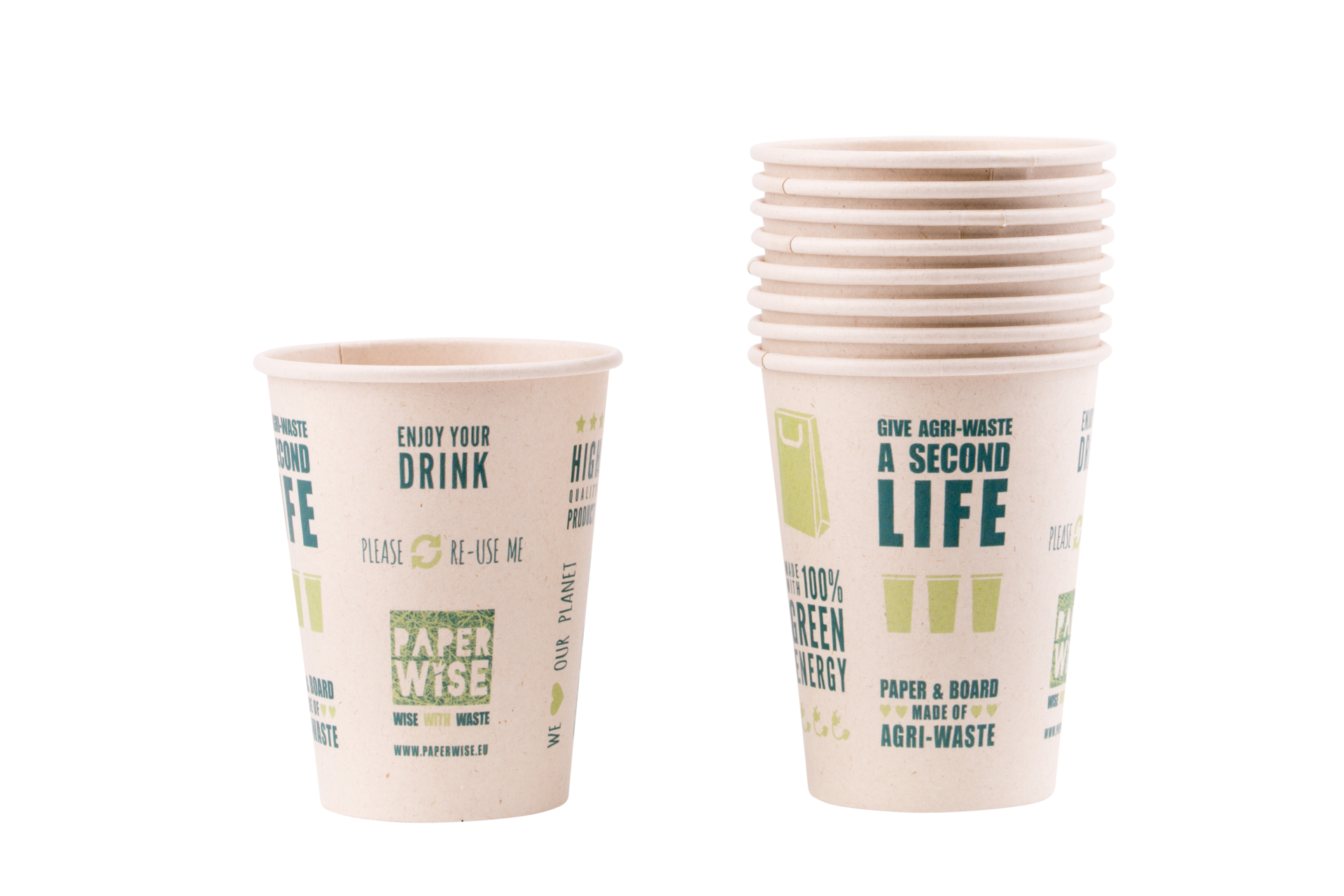
Sustainable paper cups are crafted using renewable energy sources and energy-efficient methods to cut down carbon emissions during manufacturing. Many producers apply waterless printing technologies, which significantly reduce water use and minimize chemical waste. These low-impact finishing processes help lessen the overall environmental footprint. Furthermore, raw materials are ethically sourced from forests certified by FSC (Forest Stewardship Council) and PEFC (Programme for the Endorsement of Forest Certification). These certifications guarantee responsible forestry management, ensuring the paper fiber used does not contribute to deforestation and promotes biodiversity. By combining these production techniques with rigorous ethical sourcing, sustainable paper cups offer truly eco-friendly cup options that lower paper cup environmental impact without compromising quality or appearance.
Industrial Composting and Recycling Infrastructure
Sustainable paper cups often meet compostability standards such as EN 13432, which certifies their ability to decompose fully in industrial composting facilities. Most cups lined with PLA (polylactic acid) require these controlled industrial environments since home composting conditions lack the heat and microbial activity needed for complete breakdown. Recycling these cups poses challenges because traditional polyethylene (PE) linings contaminate paper recycling streams. To improve recyclability, manufacturers increasingly use plastic-free or water-based barriers, which allow easier separation and processing in recycling plants. However, many recycling systems are still developing solutions to handle mixed-material cups efficiently. Advances in recycling infrastructure are vital to realizing the full environmental benefits of sustainable cups by preventing landfill disposal and supporting circular economy goals.
| Factor | Traditional PE-lined Cups | Sustainable PLA-lined Cups | الملاحظات |
|---|---|---|---|
| Compostability Standard | Typically none | EN 13432 | Requires industrial composting |
| توافق إعادة التدوير | Contaminates paper recycling | Improved with plastic-free/water-based liners | Still in development for wide adoption |
| Environmental Footprint | Higher greenhouse emissions | Lower emissions | PLA derived from renewable resources |
| Disposal | Long degradation in landfill | Biodegrades faster in composting | Reduces landfill volume |
Innovations Driving Sustainability
Innovations are reshaping sustainable paper cup materials by replacing conventional PE linings with new bio-based coatings that offer compostability and can be recycled more readily. Some manufacturers are blending recycled paperboard with compostable linings to strike a balance between eco-friendly performance and functional durability. Additionally, durable eco-cups are emerging, designed to maintain sustainability credentials while delivering a great user experience. These cups support multiple uses or longer life spans, reducing the need for frequent disposal and making eco-friendly disposable cups more cost-effective. Such innovations ensure sustainable paper cups remain practical for various business needs while continuously lowering the paper cup environmental impact.
Comparing Sustainable Materials to Traditional Paper Cup Materials

Environmental Impact Assessment
When we compare traditional plastic-lined paper cups with sustainable alternatives, the differences in environmental impact are striking. Plastic-lined cups, usually coated with polyethylene (PE), contribute heavily to landfill waste due to their long degradation times, often lasting hundreds of years. Their plastic contamination also complicates recycling processes, leading to higher greenhouse gas emissions throughout their lifecycle. On the other hand, cups lined with PLA (polylactic acid), a bio-based material derived from cornstarch, show considerably lower greenhouse gas emissions in lifecycle assessments. PLA-lined cups break down faster in industrial composting facilities, reducing landfill volumes. Biodegradable paper cups made with plant-based coatings and recyclable paperboard further help by using renewable resources and promoting circular economy models. Additionally, these sustainable cups often involve ethical sourcing like FSC-certified paper, supporting forest conservation while lowering carbon footprints. Overall, sustainable alternatives offer a clear advantage by cutting greenhouse emissions and minimizing persistent plastic pollution.
Biodegradable vs Compostable Paper Cups
Biodegradable and compostable paper cups are often confused, but they differ in important ways. Biodegradable cups break down under certain conditions but may not fully decompose in typical home composting setups. Compostable cups, however, meet strict certification standards such as EN 13432, ensuring they disintegrate entirely in industrial composting within specified timeframes without toxic residues. PLA-lined cups generally require these industrial conditions for full composting, unlike some biodegradable materials that degrade more slowly or unevenly. This distinction impacts waste management, as compostable cups fit into specialized compost collection streams, supporting an environmental footprint focused on creating nutrient-rich compost rather than landfill accumulation. Consumer expectations can mismatch reality since many expect biodegradability at home, which is often unfeasible. Hence, clear labeling and education on these differences are key to maximizing their environmental benefits.
| الميزة | أكواب قابلة للتحلل | أكواب قابلة للتسميد |
|---|---|---|
| Breakdown Conditions | Variable, may not decompose fully at home | Certified for industrial composting |
| التصديق | Often no formal certification | EN 13432 or equivalent |
| الأثر البيئي | Partial degradation, possibly slower | Complete decomposition without toxins |
| Consumer Expectations | May be misunderstood | Require education for proper disposal |
Cost and Performance Trade-offs
Sustainable paper cups typically cost more than traditional PE-lined cups due to bio-based materials and specialized manufacturing processes involving renewable energy and ethical sourcing. PLA and other compostable linings require industrial composting infrastructure, which can add logistical costs. Despite this, companies increasingly accept these premiums to align with eco-conscious branding, appealing to consumers’ growing demand for sustainable products. Performance-wise, PLA-lined cups maintain similar liquid resistance as PE but may be less heat tolerant. Biodegradable coatings can affect durability and shelf life, requiring innovation to match traditional cups’ robustness. However, advances in multi-layer bio-coatings and recycled paperboard usage help balance functional qualities and eco-credentials. Market trends show strong growth in sustainable cup adoption, proving that consumers value environmental responsibility even with higher prices, making cost-effective sustainable cups a realistic option for many businesses.
Practical Insights and Customization for Sustainable Paper Cups

Choosing the Right Sustainable Paper Cup Material for Business Needs
When selecting eco-friendly disposable cups, it is key to match materials to the specific use. Hot beverages require paper cups with sturdy, heat-resistant linings like PLA (polylactic acid), a plant-based, biodegradable coating derived from cornstarch that performs well under temperature stress. Cold drinks often use moisture-resistant paper with bio-based coatings or water-based dispersions to prevent leaks. Durability expectations vary; reusable paper cup materials may integrate hybrid designs combining recycled paperboard with tougher, compostable linings to sustain multiple uses. Compliance certifications such as FSC for sustainably sourced paperboard and EN 13432 for compostable materials ensure credibility. Transparency from suppliers about sourcing and end-of-life options helps businesses maintain genuine eco-friendly commitments. While cost-effective sustainable cups may appear pricier than traditional plastic-lined cups, sourcing recycled paperboard and optimizing supply chains can reduce expenses without sacrificing environmental goals.
| Application | Recommended Material | Key Properties | Certification/Notes |
|---|---|---|---|
| Hot Beverages | PLA-lined paperboard | Heat-resistant, biodegradable | EN 13432 certified, FSC paper |
| Cold Beverages | Paperboard with bio-based or water-based coatings | Moisture resistant, leak-proof | FSC certified, compostable linings |
| أكواب قابلة لإعادة الاستخدام | Hybrid recycled paperboard + compostable liners | Durable for multiple uses, compostable | EN 13432, FSC, user education needed |
Customization and Branding Opportunities
Sustainable paper cups offer full-color printing capabilities that allow vivid, eye-catching branding on eco-friendly materials. Printing on PLA-lined or water-based coated cups maintains quality while reinforcing a brand’s green message. Eco-conscious branding resonates strongly with consumers who prioritize environmental values, boosting brand loyalty and differentiation in a crowded market. Successful examples include coffee chains using customized compostable cups to highlight their sustainability efforts, which has increased customer engagement and repeat visits. By combining sustainability with creativity in design, businesses not only reduce their environmental impact but also build powerful marketing narratives that align with growing consumer demand for responsible products.
Maintenance and Reusability Options
A rising trend is the use of reusable paper cup materials and hybrid designs that marry sustainability with durability. These cups combine recycled or virgin paperboard with robust biodegradable linings, allowing multiple uses before composting. Encouraging customers to participate in recycling and industrial composting programs is vital for closing the sustainability loop. Practical tips include clear labeling, partnering with local compost facilities, and staff education. Common lifecycle challenges include improper disposal and contamination from plastic-lined cups, which can be minimized through better consumer communication and collaboration with waste management systems. Overall, maintenance strategies and reuse possibilities continue to evolve, driving greater environmental benefits alongside user convenience. Additionally, understanding the differences between various paper cups is crucial, and our الأكواب الورقية مقابل الأكواب البلاستيكية comparison can provide valuable insights.
FAQs about sustainable paper cup materials:
What are sustainable paper cup materials?
Sustainable paper cup materials are those derived from renewable resources that minimize environmental impact. They often include paper sourced from responsibly managed forests, combined with biodegradable or compostable linings instead of traditional plastics. These materials aim to reduce landfill waste, carbon footprint, and pollution associated with conventional disposable cups, promoting eco-friendly alternatives in the foodservice industry.
Why use sustainable paper cup materials?
Using sustainable paper cup materials helps reduce environmental damage caused by plastic pollution and excessive deforestation. They support circular economy practices by being compostable or recyclable, which lowers waste accumulation. Additionally, sustainable cups can improve a brand’s eco-conscious image and meet increasing consumer demand for environmentally responsible products.
Are all paper cups biodegradable?
Not all paper cups are biodegradable because many have plastic linings to prevent leaks. Sustainable paper cup materials use biodegradable or compostable liners made from plant-based materials like PLA (polylactic acid). These allow the entire cup to break down naturally in industrial composting environments, unlike conventional plastic-lined cups that persist in landfills for decades.
How do sustainable paper cups affect the environment?
Sustainable paper cups reduce environmental impact by using renewable resources and incorporating biodegradable linings that decompose more quickly. This decreases landfill waste and lowers greenhouse gas emissions during decomposition. Sustainable cups also often require less energy and water in production, helping conserve natural resources and reduce the overall carbon footprint.